Editor's Note:
Regulatory collaboration between China and the United States must not be allowed to falter. If the FDA is to remain its position as a global leader, it must reaffirm its commitment to science. At the same time, regulatory authorities worldwide have an opportunity to exercise creativity and explore new paradigms. This is the core message from Dr. Janet Woodcock, the former Acting Commissioner of the FDA and former Director of CDER.
Dr. Woodcock's visit to China, at the invitation of Mr. Kevin Huang, founder of both the Hope for Rare Foundation and the Chinese Organization for Rare Disorders (CORD), came at a time of heightened U.S.-China geopolitical tensions and significant internal transition at the FDA.
Her face-to-face exchanges with Chinese industry leaders were marked by remarkable candor. As a builder and steward of modern regulatory science, her forthright reflections on these pressing issues reflect both courage and wisdom, and are of immense value to the global community.
What resonated most deeply, however, was her personal account of what has driven her four-decade career: a steadfast commitment to improving patients' lives. The letters of gratitude and personal encounters with patients have remained with her throughout her tenure, serving as a continuing source of inspiration and purpose. We invite you to gain a closer look at this legendary figure whose influence has left an indelible mark on the history of pharmaceutical regulation.
The Philosophy and Principles of the FDA
PharmaDJ: Dr. Woodcock, it's such an honor to have you here in Shanghai. My first question is about the philosophy of the FDA. The FDA has a hundred-year history and has set the golden standard in regulatory science. Recently, it has implemented cutting-edge guidelines like reducing animal testing and using AI in review. What do you think are the key factors behind the FDA's global leadership, and what is its core philosophy?
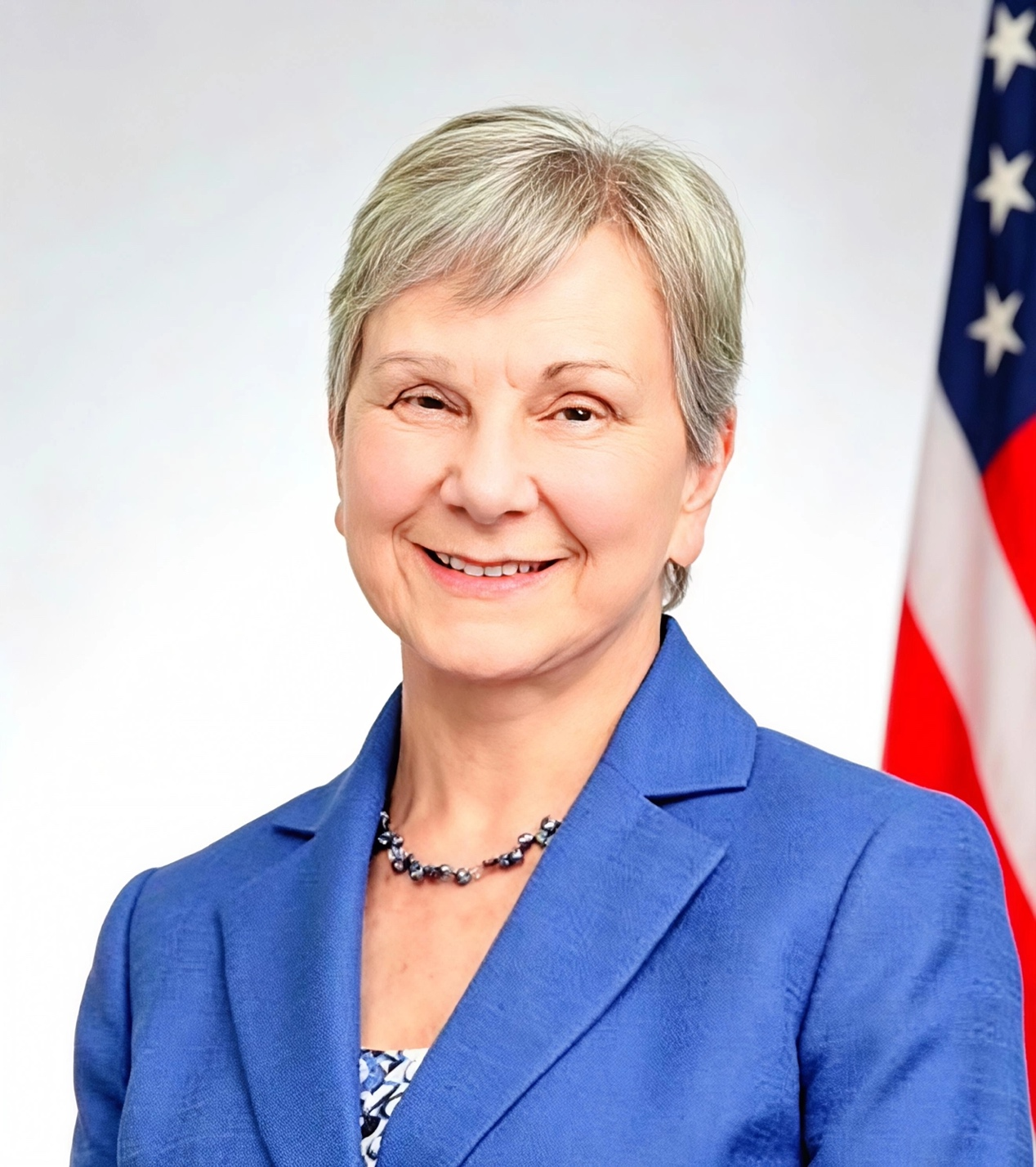
Janet Woodcock, M.D.
Dr. Janet Woodcock served nearly four decades at the U.S. FDA, including as Acting Commissioner and Director of CDER for over twenty years. She pioneered drug safety surveillance (REMS), drove landmark legislation (GDUFA, Biosimilars Act), and led the Critical Path Initiative to accelerate drug development. During COVID-19, she headed the therapeutics arm of Operation Warp Speed. A steadfast advocate for patients and emerging therapies, she received the Biotechnology Heritage Award and was named one of Nature's ten people who shaped science in 2021.Her legacy as a builder of regulatory science and a relentless advocate for patients has left an indelible mark on global drug regulation.
Dr. Janet Woodcock: I think it's important for regulators, first of all, to remember that they're there for the public; they work for the public. And in the case of medicines, they're there for people who need medicine and people who administer the medicine. And that's the public, that's who they serve. And so every effort should be made to serve in as full a way as possible to meet those needs. At the very beginning of the FDA, it was about drug safety, because there were unsafe products on the market. And so, for a long time, the history was taken to get unsafe drugs off the market and keep any unsafe ones from getting on. Then it was realized that drugs have to work too. And so drug effectiveness was added, with a long history of struggling to figure out how drugs work and what standards should be.
But fast forward to today, there are so many needs that exist. I think the strength of the FDA is in trying to meet those needs of the public, because they evolve over time. The public also need access to drugs. So the CDER has a huge program of generic drugs, trying to get those out so that people can afford them. There is drug shortage. We are also working on drug shortage. And then, underneath all that, the science is changing all the time.
It's hard, but you remember, you can't just keep everything the same; you have to evolve with the science. And that is very challenging. So that is something that also happened. For example, people realize, well, we get the drugs out there, but maybe we don't know what happens once they're out into the public. And so a whole post-market surveillance system was built, and that's been refined and built upon and so forth. Similarly, as you said, animal testing is very unsatisfactory in many ways. Can we find better ways, in vitro, AI, and so forth, and we need to push forward on that. So part of it is always evolving and changing to meet the needs of society.
Global Regulatory Collaboration: The FDA and the World
PharmaDJ: At the rare disease conference the day before yesterday, you emphasized that regulatory collaboration between nations is critically important, especially amid geopolitical complexities. Could you elaborate on how the FDA collaborates with other regulatory authorities worldwide, particularly emerging ones like NMPA/CDE? Are there specific mechanisms like Project Orbis?
Dr. Janet Woodcock: It is very important that regulators have harmonization. Because disease knows no boundaries, and for uncommon diseases, for rare diseases or pediatric diseases, we don't want to see multiple trials with multiple requirements; that is not ethical. Long ago, we started the International Conference on Technical Requirements for Pharmaceuticals, called ICH, and that has been really a boon. At first, it was only three regions: the US, Europe, and Japan. But we brought in everyone, and I certainly had a hand in that happening, bringing everyone into that effort, so that we can gradually start to harmonize all the requirements. You have uniform expectations for companies around the world, and that also can help make drugs interchangeable around the world.
Through ICMRA (the International Coalition of Medicines Regulatory Authorities) there is an effort to work on quality to try and share review, so that hopefully we can get to, some day, a single quality review, and not waste time around the world on repeating the same quality review in every single country. So I think that's the next stage of this. That's very important. But it is critical that all the countries, that the assessors in those countries, all get the opportunity to talk to one another, to share information, to develop common understanding and common standards. For example, Europe and the US have a parallel scientific review, and a company can sign up for that and get a review done by both parties at once, and they can share information. Hopefully, over time, we can do more of this so that the regulators become closer and closer to one another.
Advice for Chinese Companies Engaging with the FDA
PharmaDJ: China is now a major player in biotech innovation, with nearly one-third of global BD deals originating here, and many companies conducting simultaneous clinical trials in China and the US. What advice would you give to Chinese companies preparing to engage with the FDA, whether for IND or NDA submissions? What does the FDA value most in data evaluation?
Dr. Janet Woodcock: Sure. What I tell all companies is: do the best science you can afford. Do the science, because in the end, people may give companies different advice and this and that. Really, it's up to the CEO to sit down with the scientists in the company and think: what is the best science we can do? Designing the intervention and evaluation, but in the clinical evaluation as well, how can we do that now? I recognize it's expensive. And therefore, you may not be able to do everything. You can never do everything you'd like to do. But do the best you can with the investment that you've made. Second piece of advice I always have for everybody: don't hold anything back. If you have problems with your development program, tell the agencies, tell them upfront. Don't hide.
If there is a big mistake, they will find it. And when they find it they’ll think you're sneaky. For me, if you tell them upfront, they will try to help you with the problem. All right? So do not try to conceal problems or sweep them under the rug. Be very upfront with the problem, and you will be much better off at the end of the day.
China-U.S. Collaboration Amid Geopolitical Challenges
PharmaDJ: Despite the strong case for collaboration, there is growing noise from policymakers, such as the Biosecure Act, which appears to negatively impact China-U.S. cooperation. How do you see the future of cross-border deals, regulatory dialogue, and joint clinical trials between the two countries?
Dr. Janet Woodcock: Of course, China has a very large population, and especially for rare diseases, the population is incredible, to be part of multi-regional clinical trials for a rare disease. So I agree there's choppy waters right now. I think scientist-to-scientist, regulator-to-regulator, that work is still going on. We have to recognize the geopolitical currents and bow to them to the extent they exist.
But the regulators, the companies, the scientists, they are doing this for patients, whether here, whether there, they are us, whether in the US, whether in Iran or somewhere, and we're doing it for the patients. So I think keeping that in mind, and also using mutual forums like ICH or the Drug Information Association or other professional associations, because diseases are not political, and those are very good ways to both learn and share information.
A Legacy of Leadership: Dr. Woodcock's Greatest Achievements
PharmaDJ: Looking back on your nearly 40-year regulatory career, what do you consider your greatest achievement?
Dr. Janet Woodcock: A lot of people have asked me what I thought my greatest achievement would be. I'm a builder. In that sense, I built a very strong organization that is able to weather a lot of turbulence, including current turbulence. I built policies, procedures, scientific structures. For example, the post-market surveillance systems that we have.
Built patient-focused drug development procedures. We built the generics program, built a quality organization, an institution that still functions despite the turbulence. So I feel that my legacy, in a sense, is an organization that has a lot of strength, a lot of depth, a lot of policies, a lot of tradition, and hopefully will be able to continue to evolve with all the sciences happening now.
PharmaDJ: You've transformed CDER into a proactive regulatory pioneer. Could you share a few drug approvals that you found most personally satisfying, perhaps in the rare disease space?
Dr. Janet Woodcock: Well, I mean, there's been so many over the years. I hate to pick things out. I remember the Vertex drug for cystic fibrosis, a young man telling me he took it, and he was, I don't know, 17 or whatever, he took it and he was going to stay up all night because he wanted to see if he could tell any difference. And in the middle of the night, he went into his parents' room and woke them up. And he said, "It's working." And this was somebody who ordinarily would die or need a lung transplant in his mid-20s.
And all of a sudden, he had a drug that was restoring, making his lungs function the way they should. When I retired, I got a note from a woman from the Midwest of the United States, and she was talking about something that happened 30 years ago when I was at CBER. She had multiple sclerosis. She was a young woman at that time. It was just the very beginning of the biotech revolution. I approved Betaseron, interferon B for multiple sclerosis. And this was the beginning of the biotech revolution., and it had production problems and was in shortage with a lottery before she got into the lottery. She said it changed her life. She was on it for decades. Then, 30 years later, she wrote me a thank-you note when I retired for approving it. And I had been getting a lot of grief for approving that. A lot of people said I should never have approved it, shouldn't have been approved, all this sort of thing. There are a lot of instances like that I can remember that stand out, where we clearly made a big difference.
Benefit-Risk Assessment: The Heart of Regulatory Decision-Making
PharmaDJ: That truly moves me, because my brother passed away from cancer, so I know firsthand how much patients long for new treatments. My next question is about decision-making. As CDER director, how did you balance efficacy, safety, and the interests of all stakeholders, sponsors, companies, patients, and regulators? What was the most difficult part?
Dr. Janet Woodcock: Of course, with drug regulation in the United States, there is the law. So you have to stay within the parameters of the law. You do not break the law, so you should follow those rules and there are a lot of them. Then there's science, then there's medicine, which is what you're talking about people's lives and death. It's very challenging because drug regulation is so much uncertainty. Yeah, so you simply don't know for certain the drug works. You don't know for certain how its going to perform.
They're going to be post marketing adverse events. You know that. For sure. That's why there's a whole prescription of the kind of efficacy evaluations you do, the kind of safety evaluations you do and so forth. But at the end of the day, you have to decide and for the FDA it's a benefit risk calculation. So benefits are taken into account as well as the severity of the condition. You would accept more uncertainty for a serious disease like cancer.
And the cancer patients told us that and the AIDS patients told us that we will accept more uncertainty because our alternatives are not very good. On the risk side, they will accept more uncertainty about risk. Problem is, there are clouds of uncertainty. The real problem is that not everybody agrees on how to make that calculation. That causes a lot of back and forth any time FDA approves anything that the little least bit uncertainty around, there's all kind of controversy in the media, right? All kind of stuff, and people would complain and so forth.
Balancing Speed and Quality in Drug Development
PharmaDJ: In China, we face a constant dilemma: patients are waiting urgently, so we must accelerate development, yet rigorous quality control cannot be compromised. How do you strike the right balance?
Dr. Janet Woodcock: I've always been a little annoyed that people equate speed and efficiency with corner cutting or sloppiness. They are two different things. It has to do partly with efficiency and how well you do something. So you could do something slowly and very poorly, or you can do something fast and do it very well and come out with better and good information. Now, when you're talking about accelerated approval, which means approval based on a surrogate that isn't validated, that you think is like reasonably likely to be correlated with benefit, that is a shortcut that's faster than waiting, perhaps a very long time to get a clinical outcome. And some people criticize that bitterly.
PharmaDJ: Some argue that pursuing speed will compromise quality. Do you believe this is true? Should we ever compromise product safety and quality?
Dr. Janet Woodcock: I don't think that's the right way to think about it. That's what I'm saying. For example, surrogate endpoints, most of the approvals where you've surrogate endpoints, what they have done is they've gotten the drug to patients much faster. Sometimes lifesaving drugs, okay? Very rarely, what's happened is the drug actually turned out not to work. People were exposed to an ineffective drug, and that trade-off has been accepted. What the patients want is for us to get it to them as reasonably quickly as possible. Safety is a different issue..
A safety evaluation, to some extent, has to deal with how many people are exposed, because you expose ten people here, and they're fine. And then the 11th, you'll find a problem. That's why ICH has a minimum number they say you should expose. Think about rare disease, and people say, but you haven't treated enough people. You've only treated ten people, but say the rare disease only has 30 people in the world. When you approve a hypertension drug, you have a database of a thousand, and you're going treat millions of people. So how likely is it that when you go from 1,000 to millions, you find something unexpected? Whereas with the rare disease, you've treated a third of the entire patient population. When you're extrapolating the safety of the other two-thirds, you're probably on much more solid ground. You probably have a more robust safety database, if you follow me. Okay, so it isn't what people think. In other words, I feel like framing this as just about speed is really not the right way to talk about it. I talk about how much understanding you have. Have you gained that understanding? What's going to happen when you extrapolate that to the target population, the marketing population? Does that make sense?
The Future of FDA and Global Regulatory Leadership
PharmaDJ: That makes complete sense. You've emphasized that understanding the science is more important than speed. Looking forward, if the FDA and CDER aim to continue developing cutting-edge therapeutics, what recommendations would you offer to the agency?
Dr. Janet Woodcock: The FDA right now has issues from the new political situation. I don't know that it's in the position to lead. And my theory is that other regulators, it's their time to lead, and people around the world can be innovative and think of new ways to do things. And what we've been discussing at this conference is all the new therapies that are emerging. But the genetic-based therapies and cell therapies, they're entirely different in their characteristics than small molecules, the small organic molecules that have been drugs so far. And so the challenge is going to be, how do we evaluate those?
And it should not be, "Oh, we evaluate them exactly the same as we've done everything, because that's what we do, right?" I think the challenge to regulators around the world is, what kind of assessment scheme should be put in place for genetic interventions? How should we assess cellular therapies? How do you do that? Really put creativity and intellectual effort into thinking about how these things perform. What's the best way to figure out, are they safe? Are they effective? Are they durable, and so forth? What are they going to do? Are they going to have very odd side effects or not? But I don't know what's going to happen at the FDA for a little while, because they've gone through a lot of disruptions and they're trying to recover from that.
Advice for Young Regulators: Mission, Innovation, and Dedication
PharmaDJ: My final question is about career advice for young regulators. Many talented reviewers are attracted to industry and consulting firms. What motivates someone to become, and remain, a good reviewer? What is the meaning and purpose of this career path?
Dr. Janet Woodcock: A lot of people that I've known at the FDA have moved in and out. They've committed to the FDA and they've gone to a company. Many of them say, which is so funny, they want to come back. And the reason is the dedication to the mission: helping the public, improving public health, and working with a team. Whether you're regulators in China, whether you're regulators in the EU or the US, the team is dedicated to improving public health.
And that is their North Star. It's very inspiring. So I think it's pretty good for people who want to go into regulatory work, to work in companies, work at universities, do different things, get an idea of the landscape. But then, do you go work at a regulatory agency? See if you like it? Most people like it. Do you stay? But what I think is really important: if you go and you stay, then you need to drive innovation. You can't just stay static.. You can't just do what people have always done, because the science is really changing, the world is changing, and we need to get creative here.
PharmaDJ: As a reviewer, we can see the whole landscape of the industry, from drug discovery to clinical trials and post-marketing research. If you observe carefully, and I also agree with you that good reviewers should drive innovation, not just do the basic regulatory work. May I ask, what is your next plan after you retired from the FDA?
Dr. Janet Woodcock: Yeah, I've been retired for several years, and I've been very busy. I'm on a lot of nonprofit boards. I'm trying to help people where my expertise is relevant to what they're trying to do, like the people doing repurposing of drug,people doing innovative trial designs, all nonprofits, and so forth. So I'm doing those things. I'm doing some personal things too, that I enjoy as well, but I've been keeping very busy.
PharmaDJ: I hope you will have more collaboration with Chinese scientists in the future, and hopefully we can see you again in China. Thank you so much for your time and your insightful sharing.
Dr. Janet Woodcock: You're very welcome.
(Edited by Janet Woodcock)
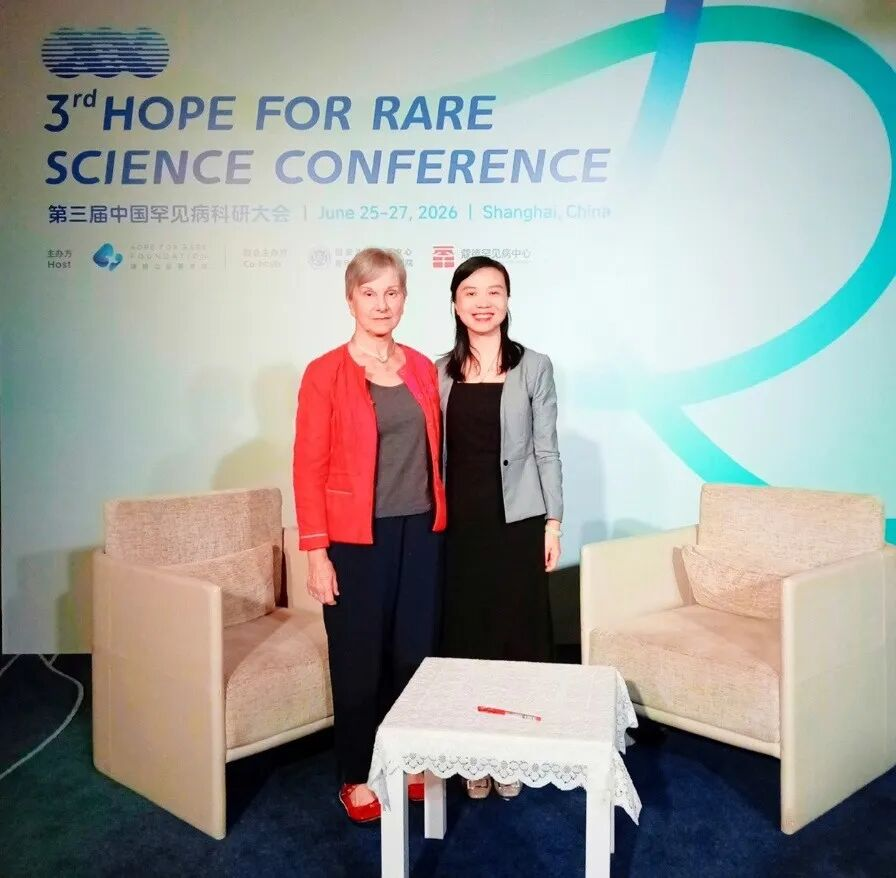
Donglei Mao and Janet Woodcock