Prologue: The Dark Room
There was a moment, sometime in his late thirties, when Dr. Kerry Blanchard sat alone in a dark room and asked himself a question that would change the course of his life.
He had done everything right. Tenured professor at Louisiana State University. A lab of his own. Grants funded. Papers published in good journals. A clinical practice as a bone marrow transplant physician. Students who respected him. By any academic measure, he had arrived.
And yet.
"I think you have to occasionally sit in a dark room, clear your mind for an hour or two, and ask yourself why you're doing what you do," he later told PharmaDJ. A glint flashed in his blue eyes when he said that.
What he saw, in that quiet reckoning, was sobering. As a physician, he might treat a thousand patients in his lifetime, a thousand bone marrow transplants. How many of them would survive because of him, specifically? The transplant itself was a technical service. He was good at it, yes, but it was a skill, not a legacy. As a teacher, over twenty years, perhaps two thousand students. An impact on some lives, but a small number. And his research, the papers, the grants. Was a stack of paper, read by a handful of peers, the sum of his contribution to the world?
The answer was no.
That moment of clarity became the pivot point of his career. It was, in its own way, a "connect the dots" moment. The young boy from a farm in northern Indiana who loved science. The chemistry major who discovered biochemistry. The MD/PhD who trained at Harvard and Dana-Farber. The professor who treated leukemia patients and watched most of them die. All of it was leading somewhere. He just hadn't seen it yet.
"I always felt that science was my way to give back to the world, to the community, through scientific discovery and using new technology," he said. But the academic path, he realized, was too fragmented, too small. He needed to amplify his impact. He needed to reach more patients than any one physician could treat.
He needed to make medicines.
That decision launched a career that would span more than four decades and two continents. Blanchard joined Eli Lilly in 2000, rising to Senior Vice President of Eli Lilly China Drug Development and External Innovation, where he built the company's clinical development and external partnership infrastructure in China. He later served as Chief Scientific Officer at Innovent Biologics, overseeing the approval of China's flagship PD-1 antibody, and as CEO of Everest Medicines, positioning the company as a biotech with 11 pipeline candidates.
Today, at seventy-one, he is Co-founder, Chairman and CEO of Perpetual Medicines, a peptide therapeutics and computational AI platform company, while also serving as President of R&D at TandemAI. Along the way, he played critical roles in the discovery and development of multiple approved medicines. Development teams under his leadership secured over 35 New Drug Approvals in Asia over sixteen years.
But this is not a story of titles and approvals. It is a story of translation: translating diseases into biology, biology into medicines, and medicines into the hands of patients. It is the story of a man who keeps a forty-year-old mug on his desk that reads: "I prefer to have my reward in the gratitude of my patients." — Sir James Simpson.
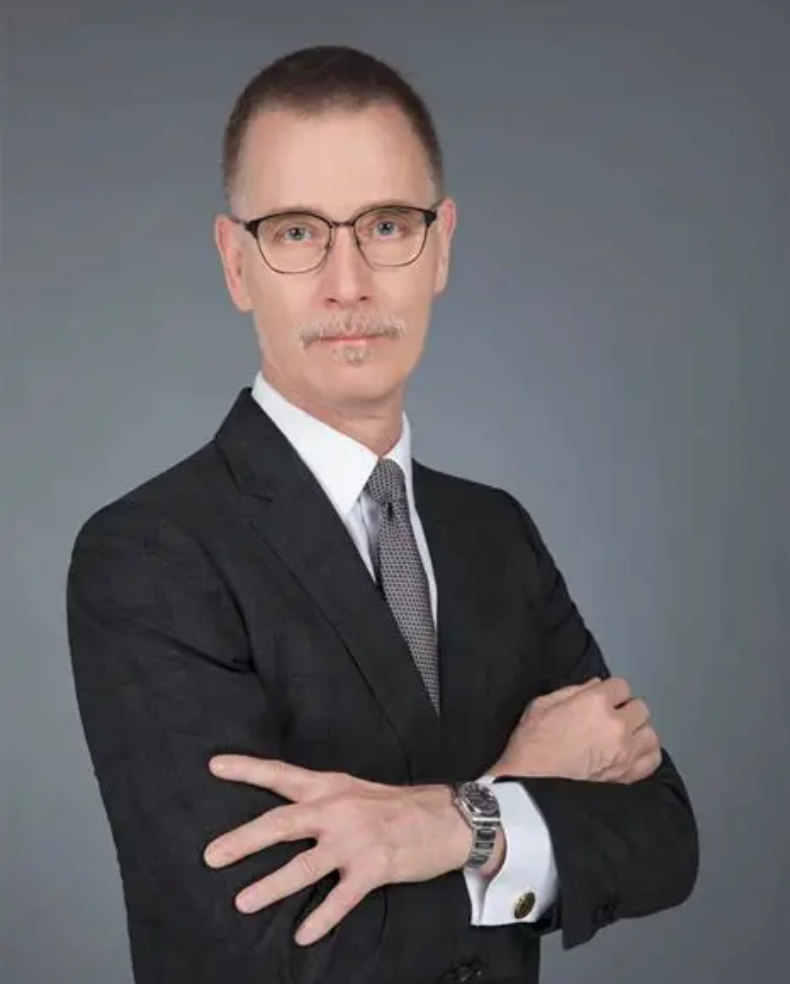
Dr. Kerry Blanchard
The Making of a Translator
Kerry Blanchard grew up in a small farm community in northern Indiana. His father worked for a company later acquired by Abbott, making baby formula and nutritional products. His mother was a factory worker who made furniture. His father's work took him to Mexico, Russia, and Europe, helping build factories in distant countries. Young Kerry never traveled with him; that would come later. But something about those faraway places, described in letters, planted a seed of curiosity about the wider world.
Young Kerry had a gift for science. In high school, he took placement tests and tested out of four years of college biology before he had even stepped foot on a campus. He also tested out of much of his college chemistry and math. He went to Indiana University intending to major in chemistry. "It seemed quite understandable to me, something you could describe with mathematics and physics," he recalled. "I always thought biology was a little bit softer and very contextual."
Two things changed his direction. First, a course in human genetics. "It really changed my view of biology, because genetics can be very cool, it's something you can use tomorrow." This was the early 1970s, long before the Human Genome Project. DNA had not yet been sequenced; all experiments were done through hybridization, complicated and painstaking. But the idea of genetics, the power to understand life at its most fundamental level, captured him. Second, he took a biochemistry course with John Richardson, James Watson's first graduate student, who became his PhD advisor. Working under Richardson, he learned genetics and bacterial work, and began to see the bridge between chemistry and biology. That bridge was biochemistry. "I ended up deciding to do a PhD in biochemistry," he said.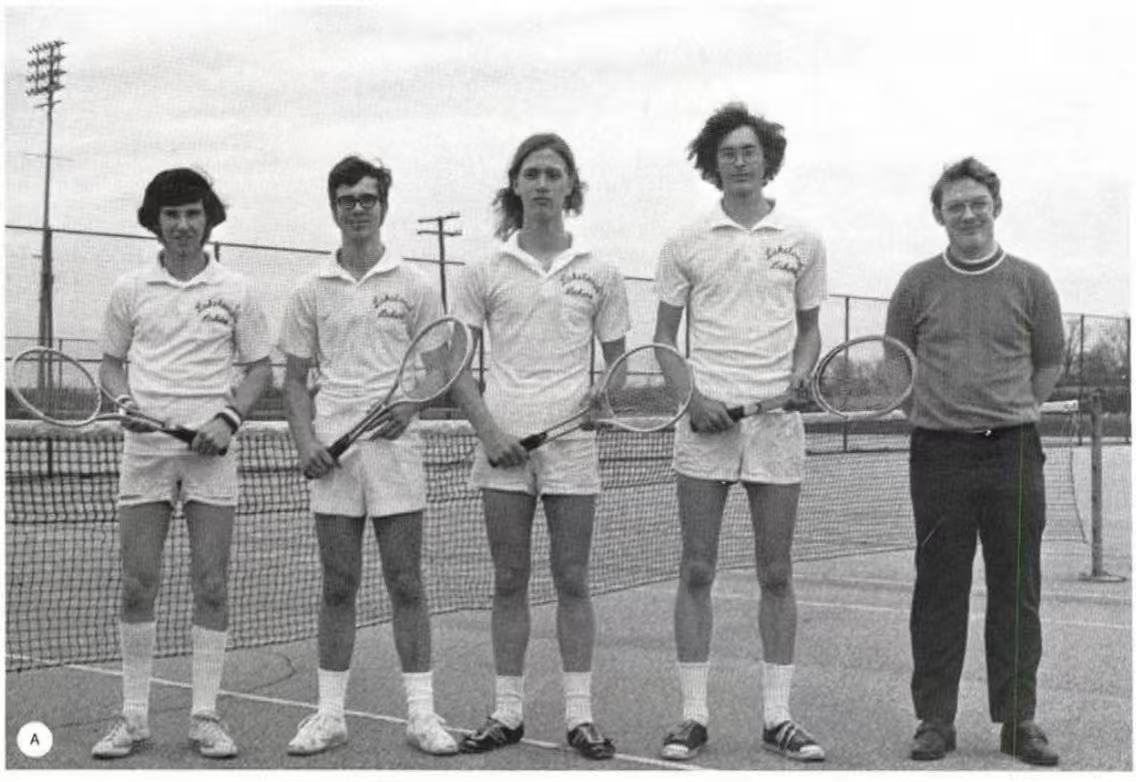
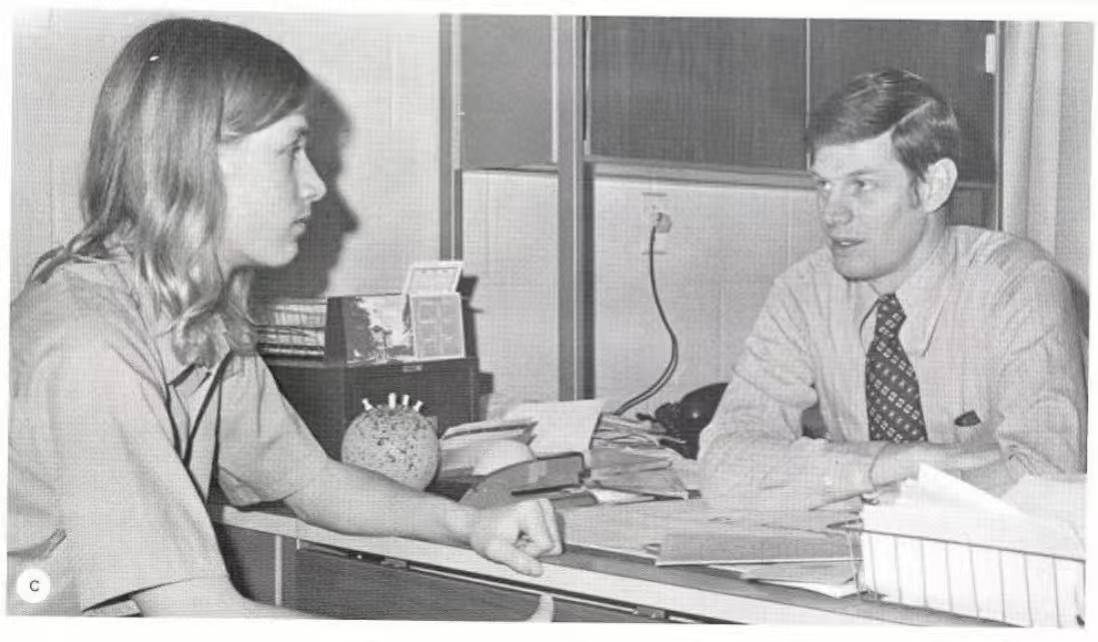
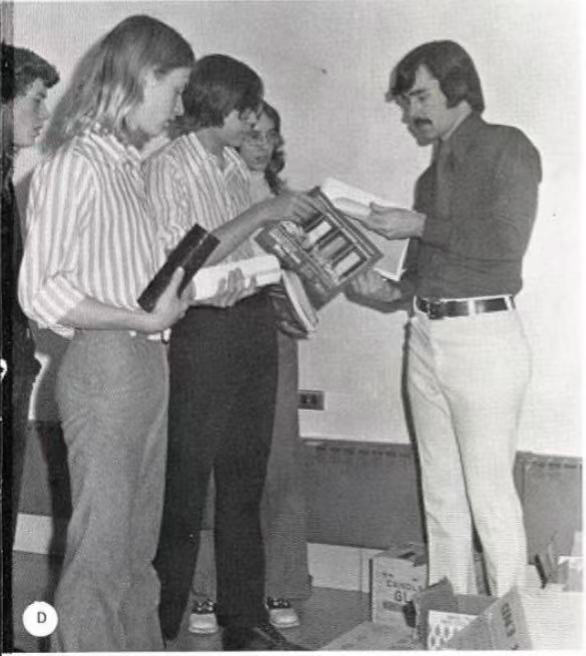
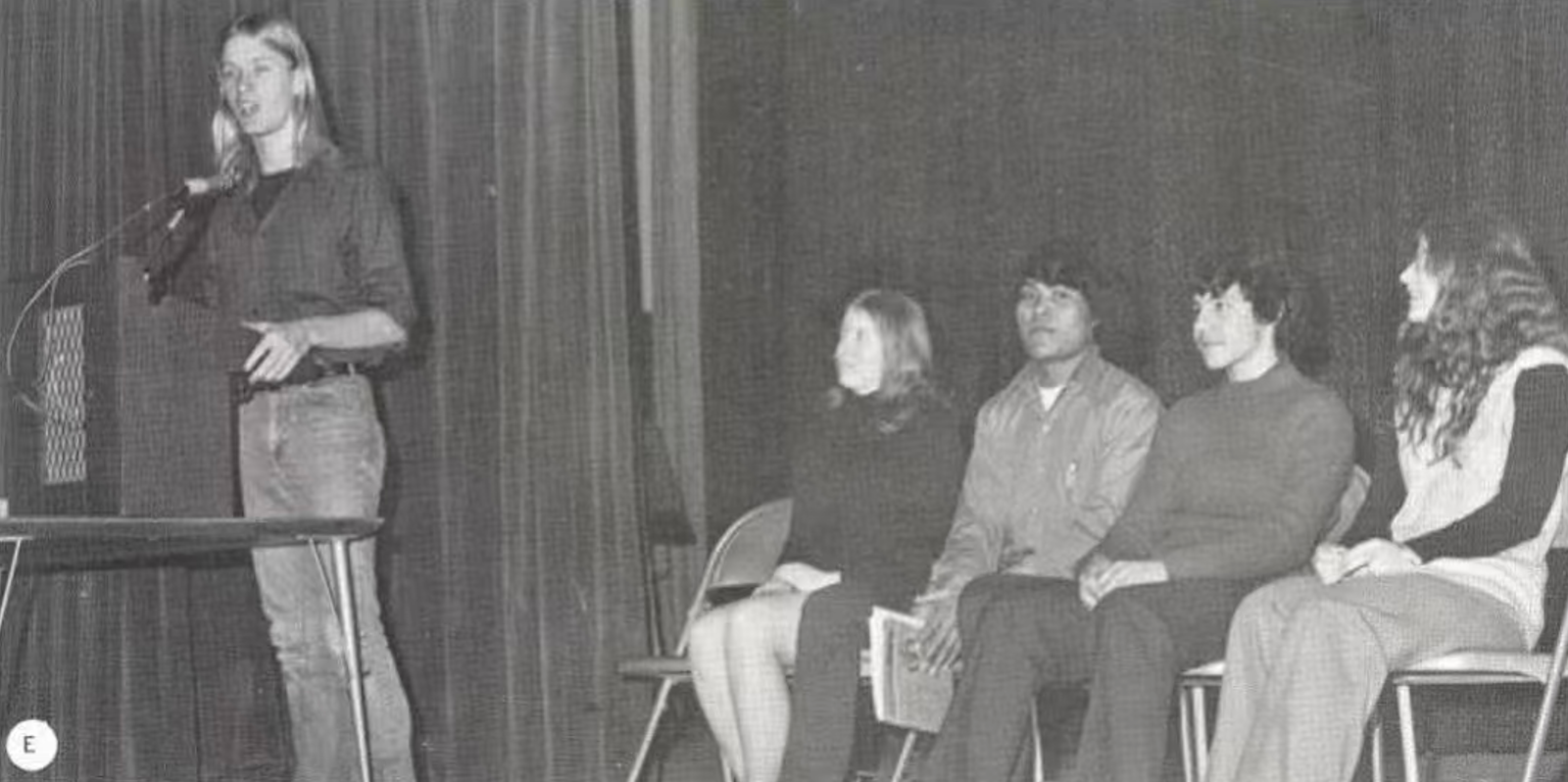
These four photos are from high school in 1973. In the third one, Dr. Kerry is presenting to his school about the international exchange student program he started.
But very early, he had also become interested in cancer, its biology, its biochemistry, its genetics. "I felt that if I really wanted to understand cancer, I probably needed to enter an MD/PhD program, so I did both." When asked why cancer, he answered simply: "I just saw it as one of the big unsolved problems of science related to humans."
He graduated first in his class from Indiana University Medical School, the first person in the school's history to match into a training program at Brigham and Women's Hospital in Boston. It was an elite program that took only thirty people each year. At Harvard, he trained in internal medicine, hematology, and medical oncology at Brigham and Dana-Farber Cancer Institute. He worked 110 to 115 hours a week. He saw patients with leukemia, lymphoma, and myeloma. He performed bone marrow transplants. He also worked shifts in the emergency department at Brigham and Women's, where, as he later recalled, "You work extremely hard and you can improve people's circumstances, but it never felt like enough."
It was during these years that he first recognized the gap between two worlds. "Basic scientists don't understand disease the same way a physician does; we see it differently."
"That's the difference in mindset," Blanchard said. "A basic scientist thinks about pneumococcal pneumonia, a specific infection caused by a single organism. But a physician in the ER sees a patient with fever and cough. The diagnosis is community-acquired pneumonia,it could be bacterial, viral, or many other things. You don't know. So you treat broadly."
"That's the difference in mindset," Blanchard said. "It's a translation ability, to translate diseases into biology and biology into diseases." He called it translational medicine, translational science, or "the translational loop." And he became its apostle.
This philosophy has guided every stage of his career. He insists on a disciplined progression: first, connect the disease to biology; second, connect the biology to chemistry; and third, connect the chemistry to the patient. He has seen too many projects fail because they started with the wrong premise. "More than 60 percent of failures stem from poorly validated targets; the biology simply can't deliver clinical benefit. Less than 20 percent come down to poor-quality drug molecules. If you have a high-quality target, you don't need a perfect molecule, just one capable of engaging it. The remaining failures are flawed clinical development, enrolling inappropriate patient populations, wrong endpoints, or sub-optimal dosing."
"If you're in any drug discovery program, you should always start with the patient. Who's the patient I'm trying to help?"
The Academic Peak and the Dark Night of the Soul
Blanchard spent fifteen years in academia, rising to tenured professor at Louisiana State University Health Sciences Center, with joint appointments in Medicine and Biochemistry & Molecular Biology. He ran a lab, treated patients, taught medical students, and held administrative responsibilities. It was a very busy life.
One pivotal moment came when a young woman with acute leukemia was admitted to his hospital. Her white blood cell count was so high it was blocking her blood vessels, a life-threatening condition called leukostasis. Blanchard collected and froze her cells, as he had done with countless patients. In the diagnostic workup, he found an unusual chromosomal translocation: an inversion on chromosome 8, where the centromere flipped around, bringing two genes together to form a new, cancer-driving fusion.
He identified the fusion: MOZ and TIF2. MOZ is a histone acetylase that drives gene expression; TIF2 is a transcription co-activator. It made biological sense. And it sparked an idea: if you could make a drug to block that fusion protein, you could potentially cure that type of leukemia, just as Gleevec had done for chronic myeloid leukemia by blocking BCR-ABL. "I felt that was the most effective cancer drug ever discovered. People can take it for 10 or 25 years. That made me quite interested in translational work."
But academic life, he began to realize, was fragmented. As an oncologist, he spent about a third of his time in clinic. Over two years, he followed about 200 oncology patients. Very few were cured; most passed away. Even mentorship had its limits. At the end of his career, he would have a stack of publications and a stack of grant approvals. Would that be enough?
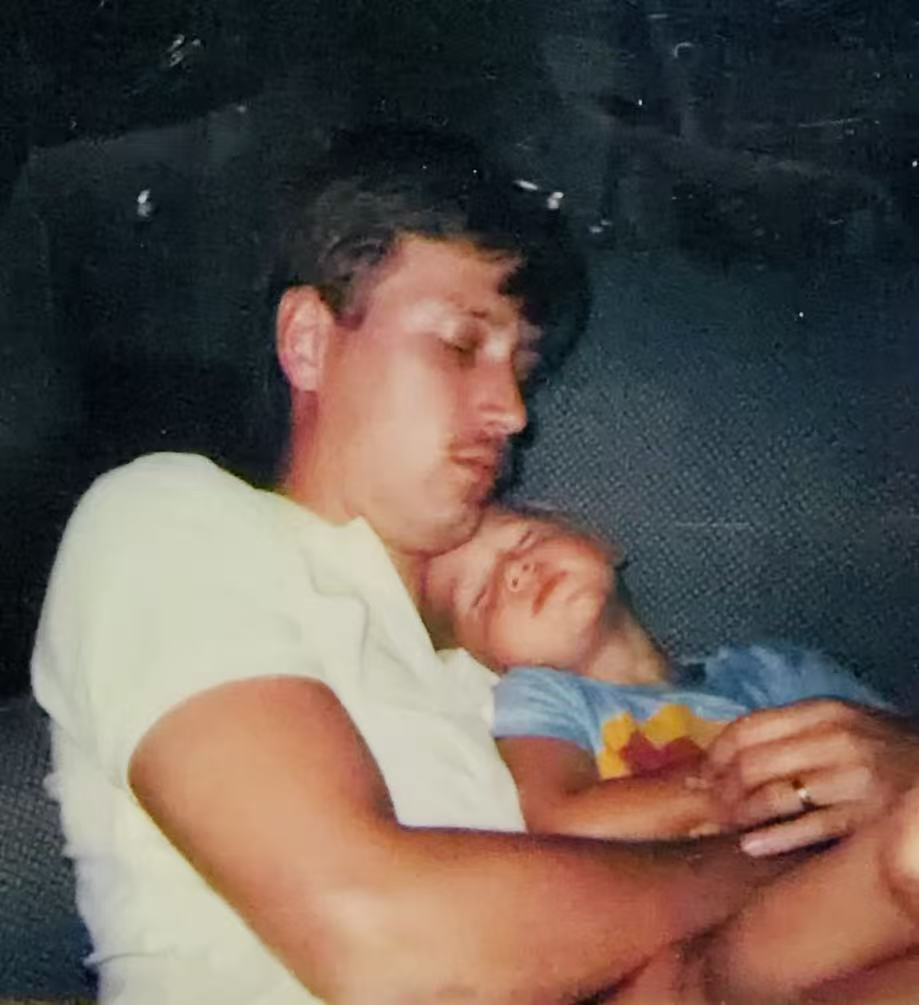 Dr. Kerry was holding his son at home in America. They were both exhausted—he had just finished a call as an intern and typically slept just 3–4 hours per 48-hour shift.
It was in that dark room, sitting alone, that he made his peace with the question. The answer was no. He needed to do more. He needed to make medicines, not just publish papers. He needed to reach millions, not just thousands.
The Industry Path and the China Decision
In 2000, Blanchard joined Eli Lilly. It was a departure from academia, but one that aligned with his deeper sense of purpose. "My skill set leaned toward translational science. Large-scale translational drug development requires infrastructure that academic institutions can't economically sustain. That's why I moved into industry. The highest-potential path to delivering tangible medicines to sick patients lay in industry."
At Eli Lilly, he encountered a corporate culture that profoundly shaped his thinking. Shortly after John Lechleiter became CEO in 2008, he made a public pledge at the annual global leadership conference: Eli Lilly would always remain independent. They would not merge with another large pharma. They could acquire smaller companies, but Eli Lilly would stay Eli Lilly. "Our rise or fall would hinge on our own innovation," Blanchard recalled.
Blanchard also learned a crucial lesson about where innovation truly comes from – a lesson that would later define his career in China. He observed that while large pharma companies often acquire biotech assets, sometimes spending billions to bring in external programs, this does not mean they have lost their innovative edge. "You have to keep an open mind," he said. "Don't automatically assume that if you buy something from outside, it's somehow inferior to what you discovered in-house. Some of the most transformative medicines in history came from outside a company's own labs. The key is not where the idea originates. It's whether you have the scientific judgment to recognize a good one and the execution capability to develop it."
"If you shut yourself off, you miss external progress," he added. "Another principle: take what you discover and make it better. They didn't care where innovation came from. Their priority was transformative innovative medicines."
He came to view external acquisition not as a failure of internal R&D, but as a strategic tool. "If you're going to acquire, you still need a sharp internal team to evaluate, integrate, and advance those assets. You can't just write a check and hope. The real innovation lies in the thinking – the ability to separate signal from noise, regardless of the source."
First Visit to China and Building the Local Organization
His first visit to China came in 2002. He landed at midnight. A local colleague picked him up in a black sedan. "Once we left the airport, everything went dark. Almost no streetlights heading toward Shanghai, only vehicle headlights. Much of the landscape was rural, barely any buildings. I kept wondering where I was." Then they entered Pudong. The Oriental Pearl Tower and Jin Mao Tower were partially under construction. And suddenly, lights burst into view. A sprawling metropolis unfolded before him. "The scale and density of Shanghai, nothing comparable existed in the US then."
Before he left on that trip, Blanchard had written something on a blackboard in his office: "Come to China for the good of China." Today, more than two decades later, he says the sentiment remains exactly the same. It was a recognition that China's patients, hundreds of millions of them, deserved access to innovative medicines. And the best way to deliver them was not to export drugs to China, but to build the capacity for China to discover and develop its own.
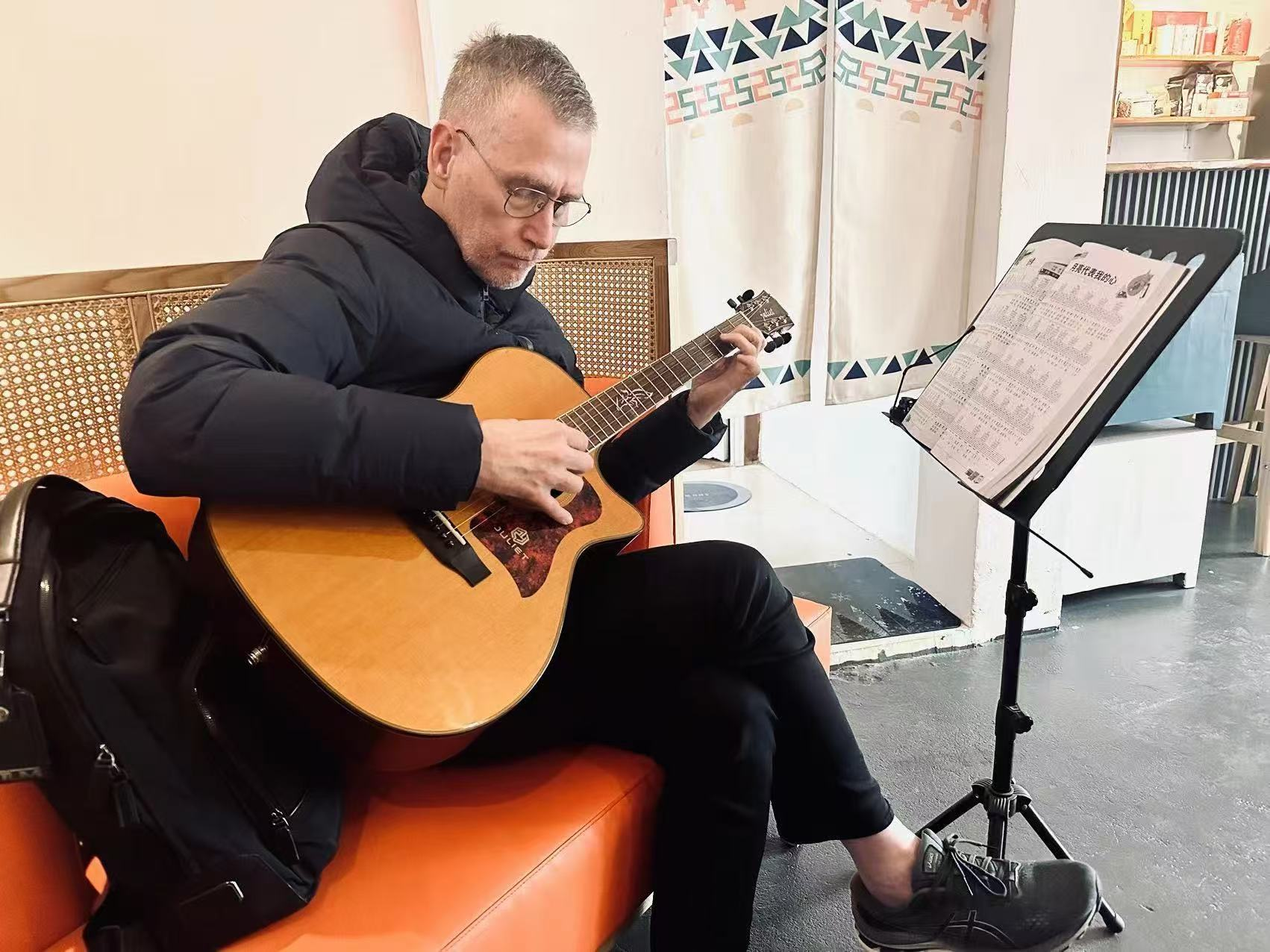
Dr. Kerry was playing guitar and singing a famous Taiwaness singer’s song Teresa Teng's "The Moon Represents My Heart."
At that time, China had almost no homegrown innovative drug discovery capacity. Blanchard and his team conceived a virtual network model: local partners did synthetic chemistry, biological assay development, and early-stage pharmacology. They established early ties with WuXi AppTec, then quite small, and with Chem Explorer, which had just launched.
Chinese chemists were skilled and cost-effective, but they were not yet seasoned drug hunters. "We learned an important lesson," Blanchard said. "Embedding biological assay expertise alongside chemistry teams greatly accelerated timelines and kept chemists engaged. Many chemists would join CROs, gain 6 to 12 months of experience, then move to small biotechs; they wanted full drug discovery, not just synthesis." That would change. Between 2002 and 2008, Blanchard witnessed an "incredibly steep, fast-moving learning curve." China moved from basic synthetic work to complete integrated drug discovery projects.
This open-minded philosophy would later serve him well as he built Eli Lilly's local clinical development organization, recruiting roughly 25 to 28 MD/PhD-trained physicians. Among them was Dr. Wang Li, whom he brought back from GSK. She became the first Chinese national to serve as Global Vice President in Eli Lilly's 150-year history.
Together, they shrank the global-to-China drug launch gap from twelve years down to just fourteen months. "That was remarkable work," Blanchard said. "We argued traditional bridging trials had limited utility and would keep China years behind. We advocated enrolling Chinese patients into global multinational trials as early as possible, and built infrastructure to execute that." He is extremely proud that 13 to 14 of those physicians have since become Chief Medical Officers at other companies. "That's a lasting legacy. We still gather for dinners each year."
The Innovent Years and the PD-1 Approval
The year 2018 marked a transition for Blanchard. His move from Eli Lilly to Innovent was a response to a powerful calling: the vision of its founder, Dr. Michael Yu. Yu had founded the company with a mission to "develop high-quality biopharmaceuticals that are affordable to ordinary people."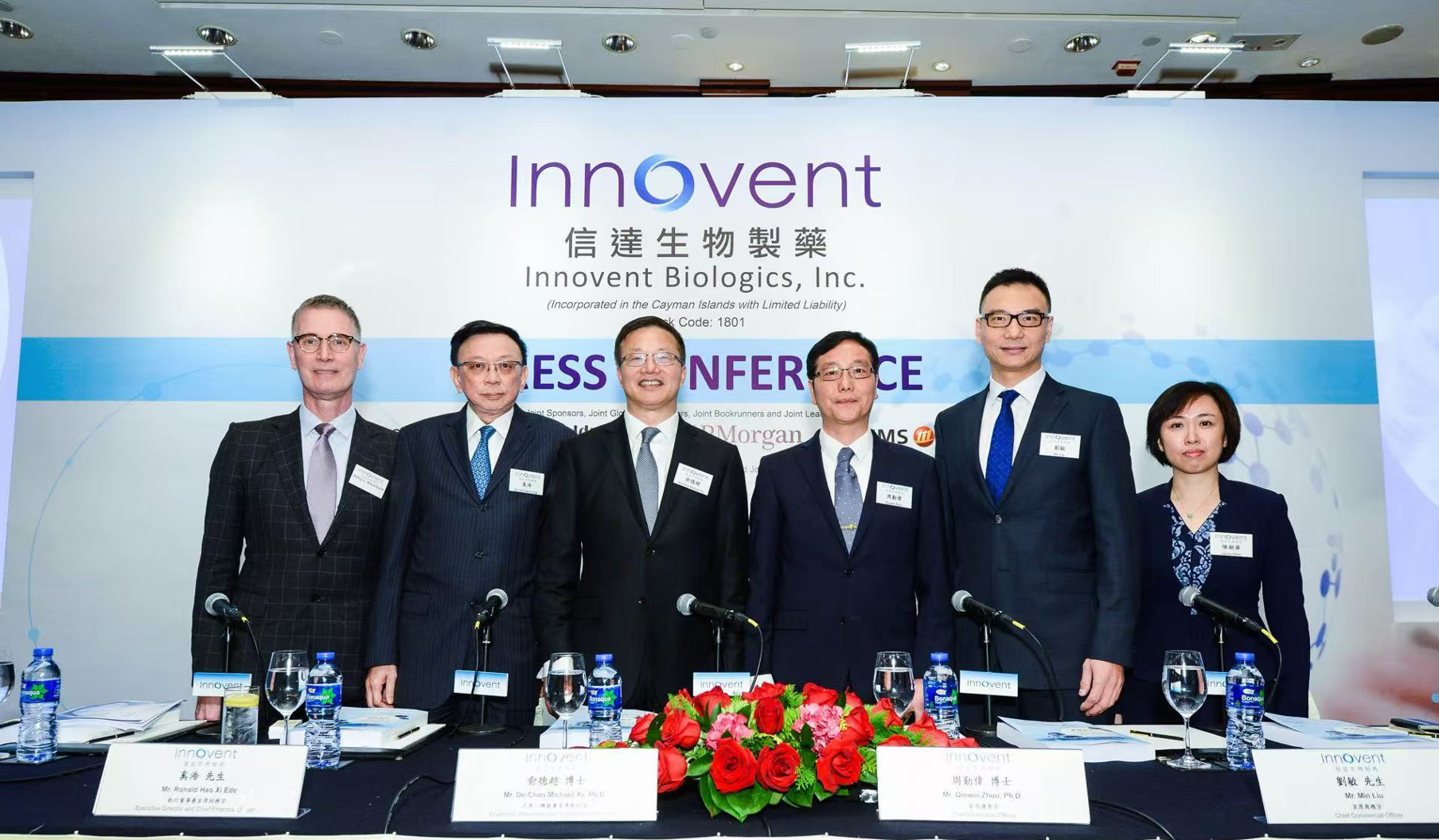 Innovent's 2018 HKEX IPO press conference. A turning point for China's biotech industry.
For Blanchard, those words struck a deeply personal chord. He wanted to do more for the most vulnerable. When he heard Yu articulate Innovent's purpose, it felt like an answer to a question he had been carrying for years. It was a chance to ensure that his life's work would not only advance science, but also reach those who needed it most.
As Chief Scientific Officer, his task was monumental: to lead the NDA preparation and submission for sintilimab, Innovent's flagship PD-1 antibody. The drug received approval in China in late 2018, a landmark moment for the country's biotech industry. As one of the first domestically developed PD-1 inhibitors to reach the market, it represented a step change in indigenous innovation. Blanchard had navigated it through the complex regulatory process.
But the foundation for the partnership that made this possible had been laid years earlier. In 2015, Blanchard saw a problem. Eli Lilly's portfolio had shifted so that 50 to 55 percent of its assets were large molecules, biologics. Getting large molecules approved in China took three to four extra years compared to the US. They needed a capable local large-molecule partner. Blanchard went to then-CEO John Lechleiter. "John asked if one existed. I said not really, but we knew Innovent and could help build them."
Contract negotiations stretched about a year. At one point, Michael Yu flew to Indianapolis ready to sign. Shortly before signing, Eli Lilly's manufacturing team assessed that Innovent would need six to nine years to reach global GMP standards. The deal was put on hold. Yu returned without a signed contract. Blanchard spent four to six weeks negotiating with Eli Lilly's manufacturing leadership. His proposal: don't build GMP from scratch. Instead, deploy rotating Eli Lilly subject matter experts for regular reviews and actionable recommendations. Innovent hit global-grade manufacturing in eighteen months, beating the internal forecast by six months. The deal was signed, a $56 million upfront payment, plus milestones, the first major strategic deal between a global big pharma and a Chinese biotech. Over the next decade, Eli Lilly completed eight collaborations with Innovent, built on foundational trust.
He reflected on the broader shift: "China moved from a market served by multinationals to a hub of indigenous biotech innovation."
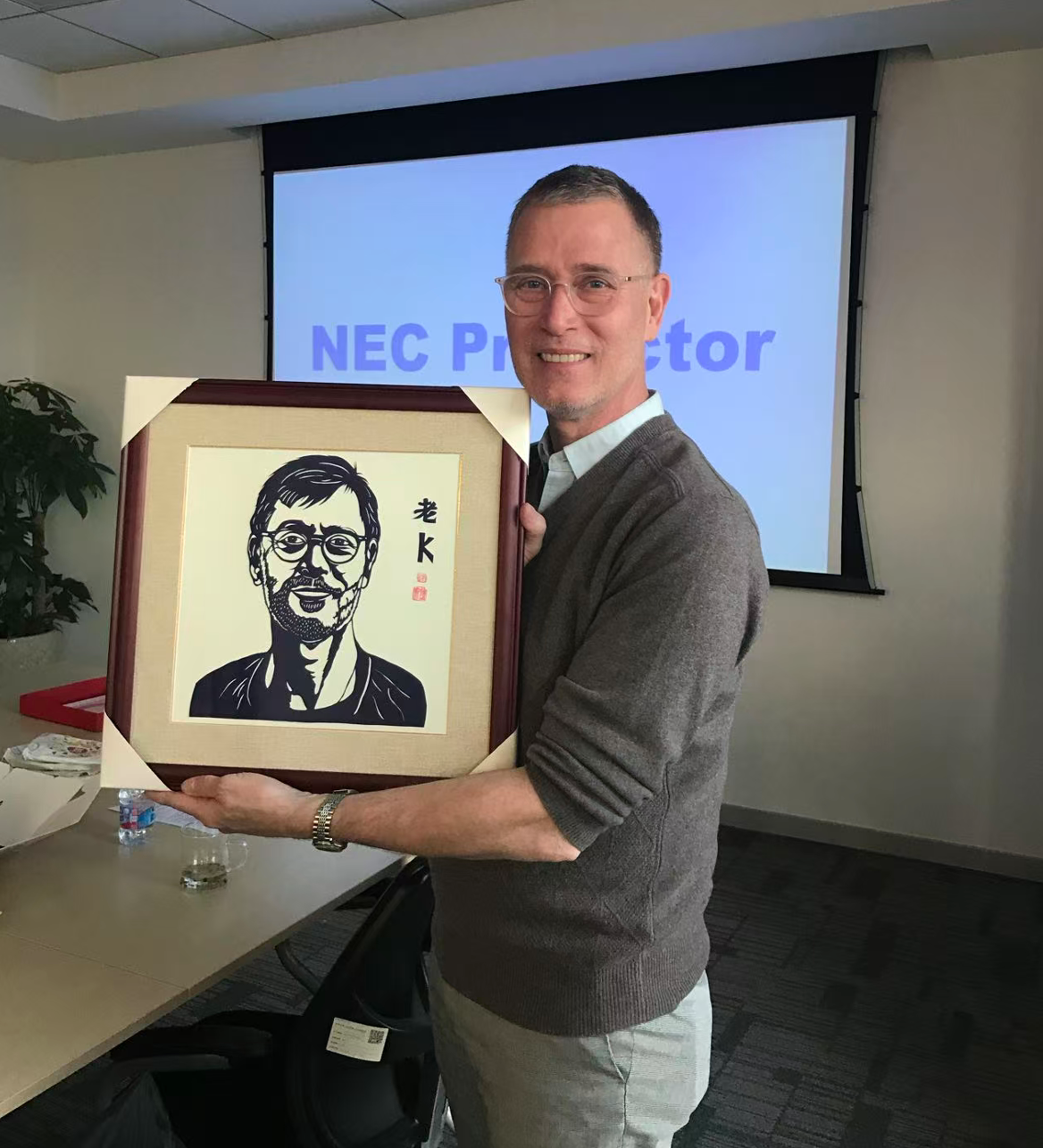
When he came to China, his Chinese colleagues and friends affectionately called him Old K,a traditional Chinese way of showing familiarity and friendship.
Everest Medicines and the Servant Leader
In 2020, Blanchard was appointed CEO of Everest Medicines, a China-based biotech with 9 innovative pipeline candidates across oncology, immunology, cardio-renal disease, and infectious disease. He positioned the company as commercial-ready, established discovery operations, and forged strategic partnerships with Providence and Gilead.
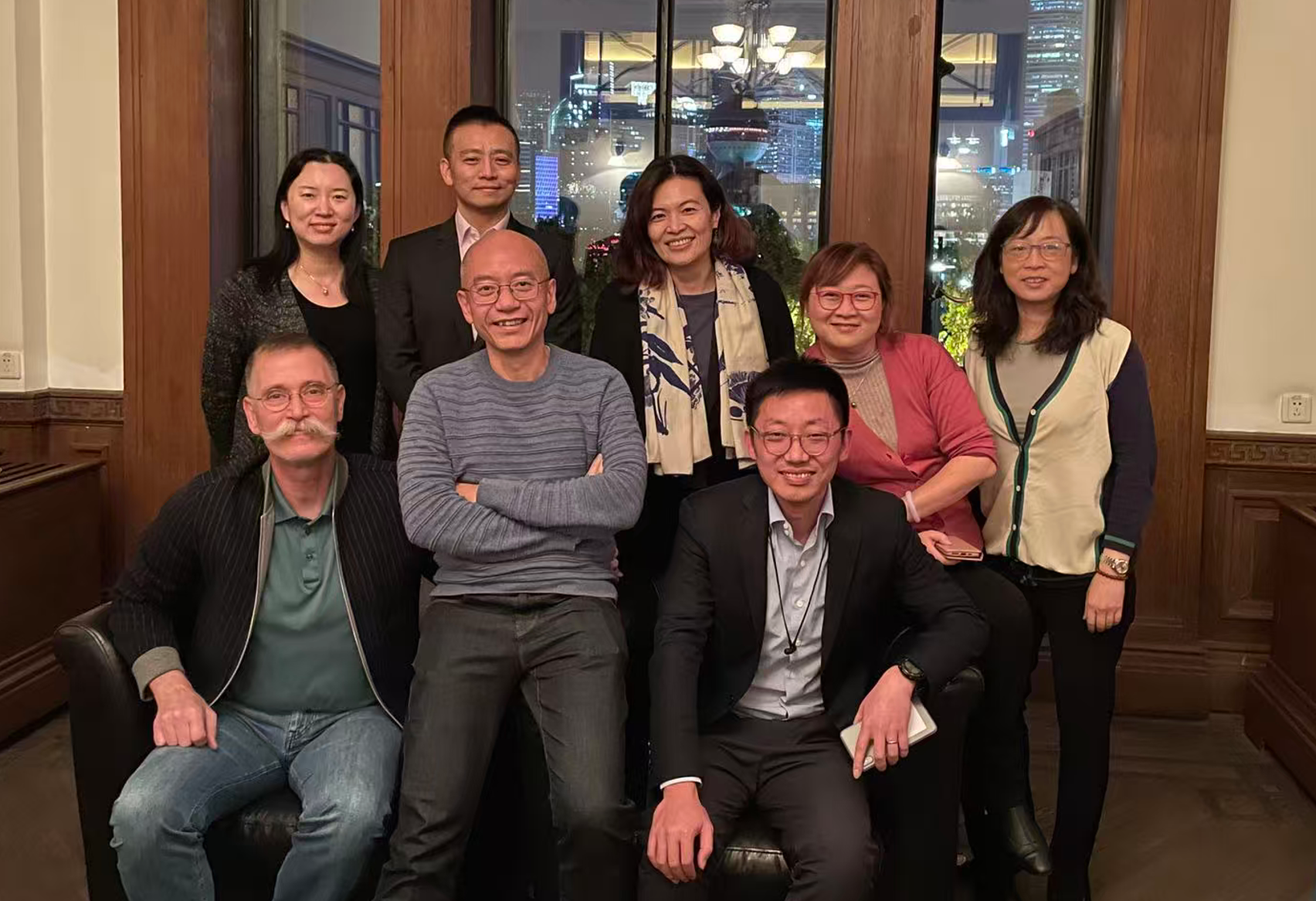
Dr. Kerry previously served in the C-suite at Everest.
It was during this period that he articulated his leadership philosophy most clearly. "In my heart I am a servant leader; I strive to find great people with great ideas and I try to help them accomplish the most we can do as a team." He described himself as "fairly iconoclastic; I often don't follow process or rules-based approaches. I believe that almost everything is possible, just not easy. If you try to accomplish the impossible and fail, you are probably much further ahead than simply doing what you know can be done."
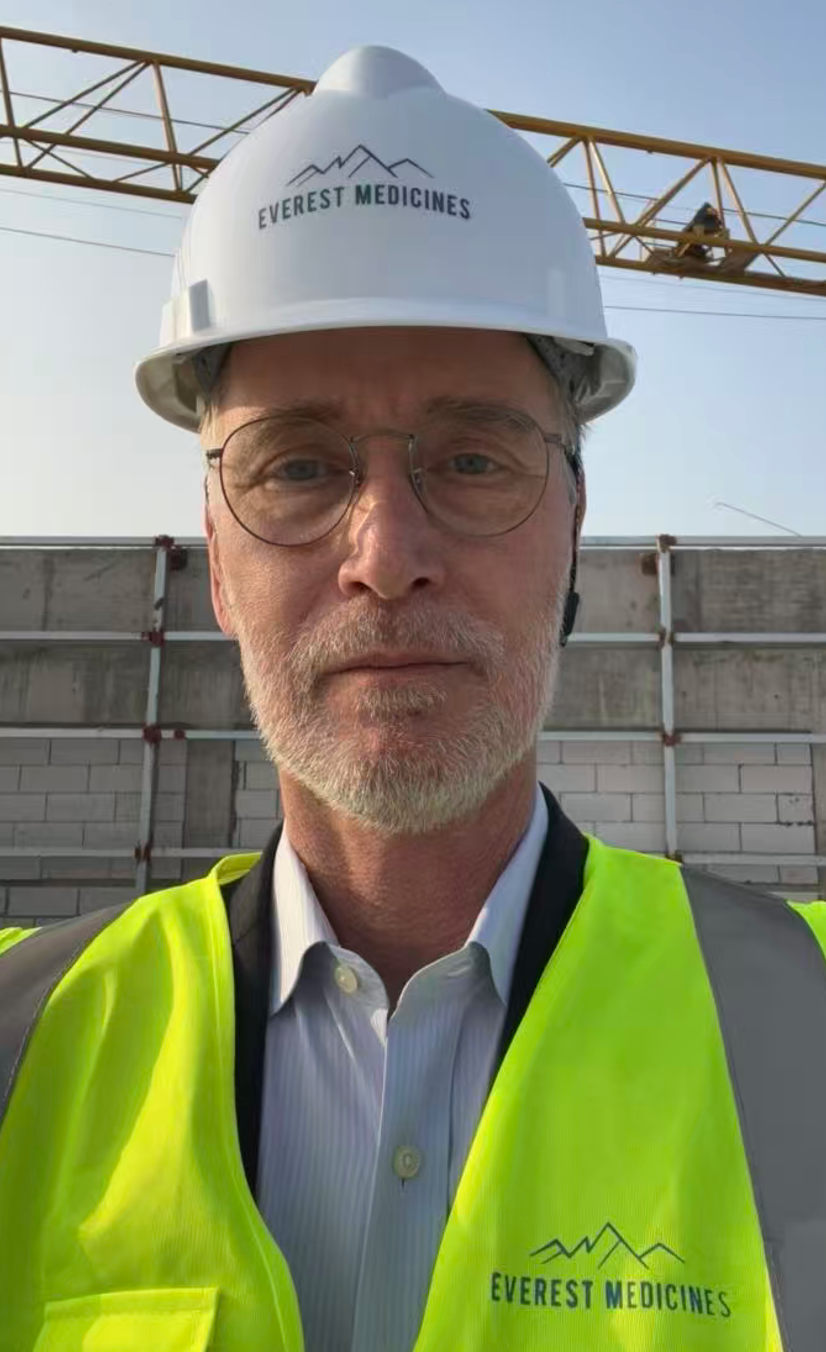
Dr. Kerry was visiting the construction site when he served at Everest.
A Bridge Between Worlds
Throughout his seventeen years in China, Blanchard has been a bridge. He translated science for clinicians and clinical needs for scientists. He translated Western drug development models for Chinese partners and Chinese capabilities for Western companies. He translated diseases into biology and biology into medicines.
He has been struck by the enthusiasm of Chinese colleagues. "What excited me was the high enthusiasm across Shanghai, Beijing, Guangzhou, and Chengdu. People were eager to learn. They believed the future would outperform the past and oriented their thinking 10 to 20 years forward, not dwelling on history. That forward-looking mindset stood out." He also noticed something else: a strong cultural emphasis on platforms, individual, team, function, company-wide.
He has also been an advocate for global collaboration. "Our shared north star is developing medicines that save human lives. This is humanity's collective need, not China's, not America's. Think of HIV therapeutics in the 1980s and 90s; they saved hundreds of millions globally. That required worldwide collaboration. If we block innovation exchange either direction, the only victims are patients globally," he warned. "China misses innovative medicines from elsewhere; the US misses innovations from China. We shouldn't erect barriers to global biomedical progress."
When he first arrived in China, if asked when globally competitive drugs would emerge from Chinese labs, he would have guessed twenty-five years. Now it only took fifteen. "This is a golden era for Chinese biotech," he said. "Had it taken 25, I'd be 80 to 85 and unlikely to witness it directly. Progress happened about ten years faster than my forecast." But he remains clear-eyed about the challenges. Much of Chinese R&D, he noted, still concentrates on de-risked targets: GLP-1, EGFR, HER2, PD-1, VEGF. "Realistically, only two or three might succeed. The next stage is demonstrating truly innovative differentiation for global out-licensing to US pharma."
Return to Discovery: Perpetual Medicines and TandemAI
At seventy-one, most people would be contemplating retirement. Not Kerry Blanchard. In 2025, he co-founded Perpetual Medicines, a peptide therapeutics and computational AI platform company backed by Gordian Ventures. He serves as Co-founder, Chairman and CEO, leading the company's effort to leverage AI for peptide drug design. Perpetual is asset-driven, not a CRO. " If a company sends peptides and asks us to synthesize them, we decline; plenty do that. We deploy our platform for original innovation." Perpetual later merged with TandemAI, and Blanchard now serves as President of R&D for the combined entity, also engaging in small molecules, where he has deep experience.
"Most of my career has been basic research and early discovery, about a quarter in clinical development," he explained. "I wanted to circle back to discovery. I believe I have 10 to 15 productive years left. I enjoy development and its scale, but my passion is discovering new molecules from scratch."
The field of peptide therapeutics, he believes, is at an inflection point. Advances in computational power and physics now allow large-scale virtual peptide design, evaluating millions or trillions of candidate sequences and synthesizing only a prioritized subset. "Historically, peptide discovery bottlenecks centered on synthesis, expensive and time-consuming. You want to minimize physical molecules while moving from binders to clinical candidates. That's Perpetual's core concept." He recently delivered a clinical-grade candidate with Third Rock Ventures in 18 months, combining classical medicinal chemistry and AI design. "It's personal," he said. "I'll turn 71 in two weeks. I wanted to circle back to discovery."
As for AI, he is optimistic but measured. "We need another ten years of real-world data. You can run 700 programs chasing the same target very fast, but most will still fail. Speed alone doesn't guarantee success. In the near term, AI will mostly improve discovery costs and cycle times, not automatically deliver higher quality candidates. Like roulette, you can bet faster and cheaper, but odds don't change."
The Philosophy and the Mug
On his desk, Blanchard keeps a mug his spouse gave him forty years ago. It bears a quote from Sir James Simpson, the Scottish physician who discovered chloroform as an anesthetic: "I prefer to have my reward in the gratitude of my patients."
"I looked at this cup every day for many decades as inspiration," Blanchard said.
It is a philosophy that has guided him from the farmlands of Indiana to the operating rooms of Boston to the boardrooms of Shanghai. He has treated patients with leukemia, developed medicines for breast cancer and diabetes, built clinical development programs that brought drugs to millions, and mentored dozens of leaders who now run their own companies.
And yet, at seventy-one, he is not finished. "Nothing too grand," he said of his remaining dreams. "I'd be satisfied to get four or five more new drugs to market. I do this because I love this work. Since I was 15, I knew my meaningful contribution would come through science. That mission still guides me today."