The FDA inspection is not a test to be feared, but a catalyst for excellence. With preparation, transparency, and mutual respect, it empowers Chinese hospitals and companies to grow and elevate their standards alongside the US regulators—so that Chinese innovation can ultimately benefit patients not only in the US, but around the world.
Editor’s Note
In recent months, the global clinical research community has been shaken by the disclosure of three serious adverse events in gene-editing investigator-initiated trials (IITs) conducted in China. These cases also triggered four senior FDA officials—Michael Davis (CDER), Karim Mikhail (CBER), Michelle Tarver (CDRH), and R. Angelo de Claro (OCE) warned that the growing use of foreign clinical data is challenging the agency's ability to ensure data integrity and protect human subjects. The FDA will reject or rescind approvals if it cannot inspect foreign sites or verify data reliability.
The use of foreign clinical trial data in U.S. drug approvals has attracted increasing attention, particularly as China has become a major center for global clinical research. According to testimony by Thomas Bollyky before the U.S. House Committee, between 2016 and 2023, only 20 of 2,732 eligible GCP inspections—less than 1%—were conducted in China, even as China’s share of global clinical trial initiations reached approximately 30%. These figures raise fundamental questions about FDA inspection capacity, patient protection, and the reliability and integrity of clinical data generated overseas.
In the United States, not all IITs require an IND application. Under 21 CFR 312.2, certain studies involving lawfully marketed drugs may qualify for an exemption. Regardless of IND status, however, the principle that patient safety must not be compromised is universal, regardless of where clinical research is conducted.
At the same time, Since joining ICH, China has increasingly aligned its GCP standards with international expectations. In 2026, the NMPA revised its GCP framework in line with ICH E6(R3), strengthening quality-by-design, data governance, and sponsor and investigator responsibilities.China has also strengthened oversight of IITs. State Council Order No. 818, effective May 1, 2026, established a national regulatory framework for clinical research involving biomedical technologies such as gene editing, cell therapy, and regenerative medicine. Among other requirements, research sites must be Class A tertiary hospitals, file with the National Health Commission, retain research records for 30 years, obtain informed consent, and refrain from charging research participators during the research phase.
PharmaDJ spoke with Chris Fanelli, a former FDA enforcement official and experienced pharmaceutical regulatory advisor. He discusses FDA’s overseas inspection capacity, the reliability of clinical data generated in China, practical steps for Chinese companies and clinical sites to prepare for FDA inspections, and the prospects for U.S.-China regulatory cooperation.
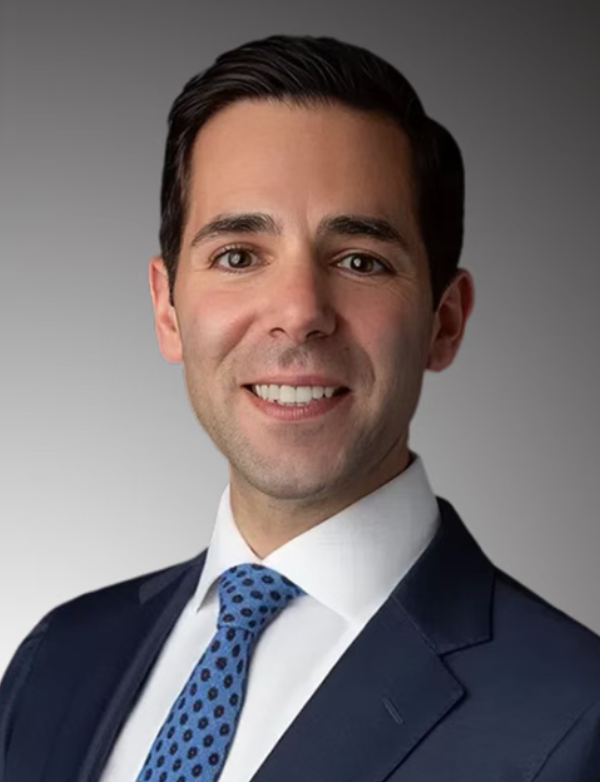
About Chris Fanelli
Chris Fanelli is a partner at Sidley Austin LLP and co-leader of the firm’s FDA GMP/regulatory compliance practice. He previously served as Associate Chief Counsel for Enforcement at the U.S. Food and Drug Administration. With more than a decade of experience advising pharmaceutical, medical device, and combination product manufacturers, he regularly assists companies with FDA inspections, FDA Form 483 observations, warning letters, and regulatory and enforcement matters.
Why Are FDA GCP Inspections in China Limited?
PharmaDJ:
Between 2016 and 2023, only 20 of 2,732 eligible GCP inspections were conducted in China. How does FDA view this disparity?
Chris Fanelli:
FDA applies a risk-based inspection program across GCP, GMP, and pharmacovigilance inspections, regardless of where an inspection is conducted. High risk areas are prioritized for inspection, including for GCP inspections. With FDA viewing foreign inspections as higher risk, we have recently seen an increase in overseas GCP inspections, including in China. That said, there is still a gap compared with domestic inspections.
Part of the explanation for this gap is resources. Conducting inspections overseas requires highly trained personnel who are willing and able to travel overseas. It typically also requires international cooperation. FDA has been training more investigators to conduct these types of inspections. The Agency is also using remote records requests and artificial intelligence tools to analyze submitted data for anomalies or potential compliance gaps. From a practical perspective, many GCP inspections take place at hospitals and IRBs that are not accustomed to receiving FDA inspections. This creates unique challenges, especially for overseas inspections. In short, as FDA recently said: “it is more challenging and costly for the FDA to inspect foreign study sites in the same manner as it inspects domestic sites, including the use of unannounced inspections.”
To further mitigate this gap, especially with China, FDA has recently introduced initiatives intended to make it easier to initiate early-stage trials in the United States, including efforts to streamline the IND process and reduce some regulatory burdens for Phase I trials. The broader objective is to make it easier for companies to initiate trials in the U.S. rather than elsewhere.
Patient Safety, Data Reliability, and Global Development
PharmaDJ:
Given the limited FDA inspection presence overseas, how does FDA assess the reliability of foreign clinical data submitted for U.S. approvals? When U.S. companies license early-stage assets from Chinese biotechs, what GCP-related risks should they consider?
Chris Fanelli:
FDA still has a robust review process for new drug applications, and there are significant regulatory safeguards designed to prevent unsafe medicines from reaching U.S. patients. These regulatory safeguards help mitigate the risk of the limited inspections.
The greater concern is often data reliability. China has had historical data-integrity and clinical-trial fraud issues, particularly during the mid-2000s. There was a period when allegations were made that a very high proportion of clinical trials in China involved some level of fraud. That history has been a difficult obstacle for FDA to overcome.
We have seen applications in which essentially all of the clinical data were generated in China. In some cases, FDA has declined to approve such applications in part because of concerns about data integrity and the lack of comparative data from outside China.
There is another consideration: a drug intended for U.S. patients needs data that are representative of the relevant patient population. A China-only strategy has a low probability of success from an FDA perspective because the clinical development program did not include representative data from other patient populations.
When companies develop their clinical and regulatory strategies, they need to consider not only whether the data are reliable, but also whether the data adequately represent the populations in which the product will ultimately be used.
FDA Visibility into Pre-IND Studies
PharmaDJ:
Many first-in-human studies in China are conducted under Chinese regulatory requirements, or as investigator-initiated trials, before a U.S. IND is filed. Does FDA have a mechanism to gain earlier visibility into these studies? And how does it evaluate data from trials that were not conducted under a U.S. IND?
Chris Fanelli:
If the data are ultimately submitted to FDA in support of an application, the agency has authority to inspect the underlying records and assess whether the data are accurate, reliable, and compliant with FDA GCP and GXP requirements.
However, FDA takes a risk-based approach. Indeed, FDA recently stated that the Agency “is prioritizing a more rigorous and systematic review of foreign studies (and sites) not conducted under an IND or IDE and submitted as support for an IND or IDE marketing application.” This includes additional scrutiny of trends or signals that would warrant an inspection or a deeper review.
This is an area where artificial intelligence could provide significant benefits. AI could help FDA identify anomalies in early-phase studies, investigator-initiated trials, animal studies, or other datasets that might otherwise be difficult for reviewers to detect. It could help the agency identify the studies that warrant closer attention and use its inspection resources more efficiently.
Advice for Chinese Biopharma Companies
PharmaDJ:
For Chinese biopharma companies, particularly those involved in BD deals or partnerships with U.S. companies, what practical advice would you give them to prepare for potential FDA GCP inspections? What are the minimum requirements for inspection readiness, and what data integrity systems should be in place?
Chris Fanelli:
There is no one-size-fits-all approach. In my experience, successful companies, CROs, and sponsors generally have mature quality systems and take a quality-systems-based approach to conducting clinical trials and overseeing them.
First, companies should have clearly defined roles and responsibilities, including responsibility for quality oversight. There should be someone in the clinical trial quality function responsible for ensuring compliance with the applicable regulations and ethical standards.
Second, many clinical trial processes now rely on electronic systems. Companies need to ensure that these systems are properly validated and sufficiently robust to meet FDA Part 11 and data integrity requirements. Data trustworthiness is something I hear consistently from FDA – if data are not trustworthy, it potentially calls into question an entire study.
A mature quality system and reliable, appropriately validated electronic systems are two of the most important factors in determining whether a company is prepared for an FDA inspection.
Advice for Chinese Hospital Sites and Principal Investigators
PharmaDJ:
What advice would you give Chinese hospital clinical trial sites and principal investigators, particularly regarding ICH GCP, trial operations, IRB or ethics committee oversight, and informed consent? What are the most common gaps at the site level?
Chris Fanelli:
A robust institutional review board is fundamental There are situations in which a principal investigator may be driven more by what is scientifically possible than by whether a particular study is ethically appropriate. Some difficult cases may be difficult to control completely. However, a strong IRB, with clearly defined responsibilities, provides an important safeguard.
Ethical questions should be brought to the IRB for review and consideration before a trial begins. That is an important part of protecting human subjects.
What Does an FDA GCP Inspection Actually Examine?
PharmaDJ:
For readers who may not be familiar with the process, what are the main areas covered by an FDA GCP inspection?
Chris Fanelli:
There are several types of GCP inspections.
A sponsor inspection focuses on how the sponsor oversees its clinical trials, including what responsibilities are delegated, how the sponsor oversees those activities, and how adverse events and protocol deviations are handled.
A clinical investigator inspection focuses on the trial site where subjects are treated. FDA may review investigational product handling, informed consent forms, electronic health records, clinical trial records, and other documentation. Investigators look for inconsistencies or gaps in the data and assess whether subjects were properly consented, eligible for the product, and enrolled according to the protocol.
This is where data integrity and human-subject protection intersect. If subjects who do not meet the eligibility criteria are enrolled, that is not only a human-subject protection issue; it may also affect the validity of the clinical data.An IRB inspection examines whether the IRB is properly performing its oversight responsibilities, including reviewing protocol deviations and other issues arising during the trial.
There are also GLP inspections, which generally focus on preclinical studies such as toxicology and animal studies. These inspections examine areas such as record keeping, quality oversight, and data integrity.
Common GCP Deficiencies
PharmaDJ:
What are the most common deficiencies you see in overseas GCP inspections, and what can sites do to prevent them?
Chris Fanelli:
For clinical investigators, common deficiencies include inadequate record keeping and documentation practices, protocol deviations, and investigational product accountability.
Sites should ensure that records are complete and accurate, that the clinical trial follows the approved protocol, and that all investigational products can be properly accounted for and traced. These are basic areas, but they remain important sources of inspection findings.
What Should FDA Do to Strengthen Overseas Inspections?
PharmaDJ:
What practical steps should FDA take to address the overseas inspection gap? You have mentioned AI tools and investigator training. Could you elaborate?
Chris Fanelli:
FDA should make full use of artificial intelligence, particularly because most clinical trials now generate large amounts of electronic data. AI can help identify anomalies, inconsistencies, and other potential data-integrity concerns.
At the same time, there are things AI cannot do. There are situations in which an investigator needs to be physically present in a laboratory or hospital and assess what is happening directly.
FDA therefore needs both better technology and sufficient personnel with the skills and experience to conduct overseas inspections. We have seen FDA continue to develop its China presence, including its Beijing office. Continuing to strengthen that capability would allow the agency to conduct more inspections in China and elsewhere.
NMPA and U.S.-China Regulatory Collaboration
PharmaDJ:
China’s NMPA has strengthened its GCP oversight and moved closer to ICH standards. Can FDA rely more on NMPA findings, and is there a potential path toward mutual recognition?
Chris Fanelli:
There is increasingly greater alignment between the U.S. and Chinese regulatory frameworks as both countries adopt ICH standards and guidance. The dialogue between China’s CDE and FDA is also useful, particularly in the area of clinical trial design.
However, mutual recognition is a step beyond regulatory alignment. Given the current geopolitical environment, it is difficult to see such an arrangement developing in the near term. It could become possible in the future, but it would depend significantly on the geopolitical environment at that time.
I think the increasing alignment around ICH standards and the ongoing dialogue between the two agencies are nevertheless useful and positive developments.
The Geopolitical Environment and Future Collaboration
PharmaDJ:
How do you see the current geopolitical environment affecting cross-border clinical trials, BD transactions, and regulatory cooperation between the U.S. and China?
Chris Fanelli:
I expect there will continue to be some level of collaboration between Chinese biotech companies and U.S. and global pharmaceutical companies. Ultimately, both countries are focused on ensuring that patients have access to the best possible treatments.
The geopolitical environment is complicated, however, and uncertainty can affect deal-making. Measures such as the BIOSECURE Act may have an impact and could slow some transactions.
At the same time, China continues to develop innovative medicines that may address significant unmet medical needs. That will continue to create incentives for cross-border collaboration. Further, China’s clinical trial infrastructure continues to mature. As the Chinese clinical trial enterprise continues to mature, I expect there will continue to be circumstances in which FDA accepts data generated in China, although as FDA recently made clear, such data will be subject to heightened scrutiny.
PharmaDJ:
Chris, thank you for your time and for sharing your experience and insights for our readers. You are a true friend of Chinese people.
Chris Fanelli:
Thank you.
(We are grateful to Anya Zhang of Sidley Austin for her contributions to this article.)