At the DIA Japan Annual Meeting 2026 in Tokyo held from 18th to 20th October, Professor Kenichi Nakamura of the National Cancer Center Japan spoke with PharmaDJ about a government-backed initiative that could change how overseas biotech companies approach Japan. The ENSEMBLExJ Project offers free consultations to help companies assess clinical needs, navigate Japan's drug pricing and reimbursement system, and connect with hospitals and investigators before committing resources to local development.
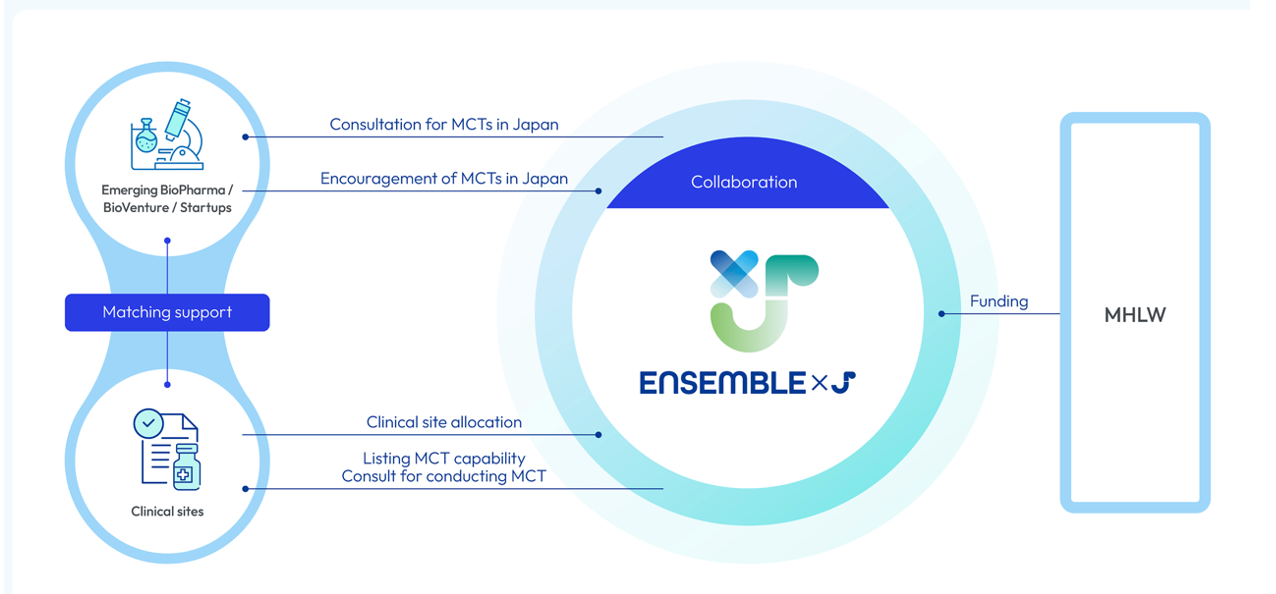
For Chinese and other overseas biotechs without a Japanese subsidiary, the proposition is straightforward: gain a clearer picture of the Japanese market, identify potential clinical development opportunities, and evaluate the feasibility of entering Japan before making a substantial financial commitment.
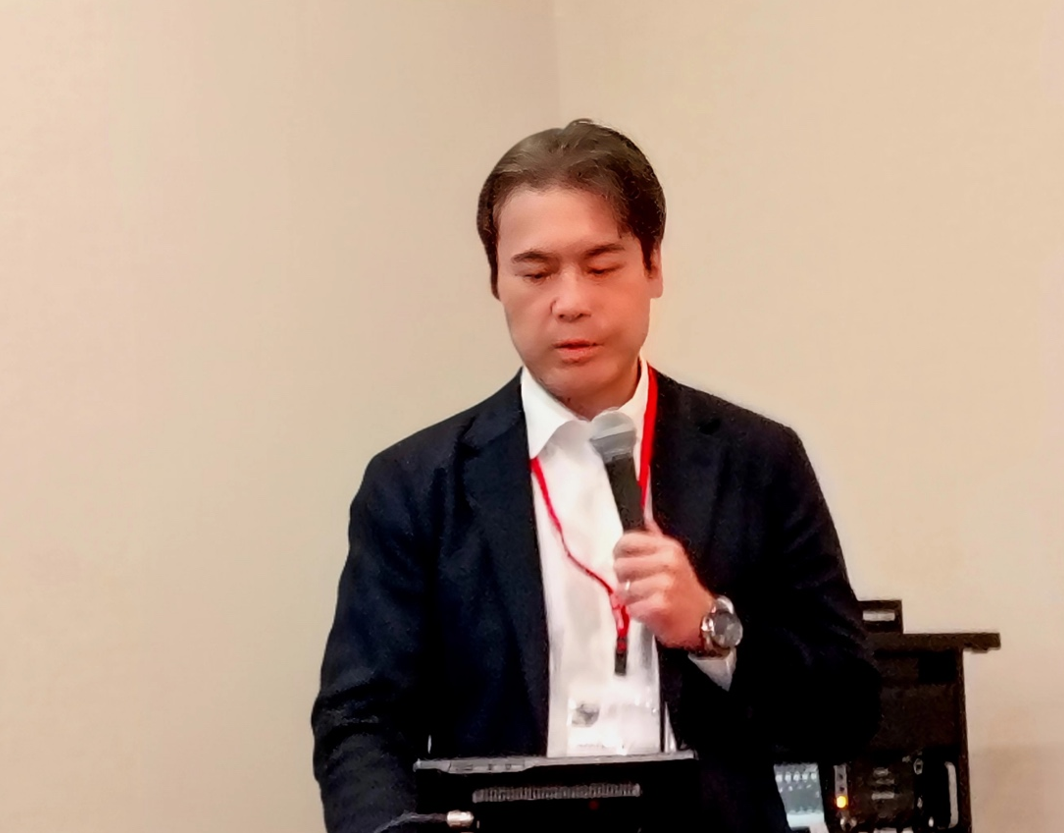 Prof. Kenichi Nakamura
The initiative could be particularly relevant for Chinese drug developers looking to diversify their global development strategies beyond out-licensing, although its ultimate impact will depend on whether initial consultations translate into clinical trials and, eventually, market entry.
From Market Uncertainty to Clinical Development Opportunities
One of the biggest barriers to entering Japan is not necessarily the absence of promising medicines, but a lack of reliable information about local clinical needs and development requirements.
Many overseas companies have misconceptions about Japan, Nakamura said. "They don't know the regulatory framework in Japan or how clinical trials are conducted here. That's why we need to provide them with accurate information."
ENSEMBLExJ addresses this information gap by interviewing companies and presenting their product profiles directly to the heads of relevant clinical departments at Japanese hospitals, including national centers. For example, a company developing a brain cancer or breast cancer therapy can receive feedback from specialists in the corresponding field.
That feedback may reveal opportunities, but it can also expose limitations in a company's Japan strategy. If an indication is already crowded with treatment options, the project will make that clear. "In other cases, it's a kind of red ocean in this field. We already have so many drugs, so we don't need any more," Nakamura explained.
For biotech companies operating with limited development budgets, this early assessment could help them avoid investing in a market where their products face substantial clinical or competitive challenges. Conversely, identifying an unmet medical need and the right clinical collaborators could provide a stronger basis for planning a Japanese development program.
Pricing and reimbursement represent another critical consideration. Japan's drug pricing system can be difficult for overseas companies to assess, particularly before they have established local operations. ENSEMBLExJ helps companies understand how new medicines are priced, what pricing premiums may be available, and whether the potential commercial returns justify entering the market.
The project also addresses the practical challenges of clinical execution. It helps companies identify suitable hospitals, principal investigators, and patient resources across different disease areas, while connecting them with contract research organizations (CROs) to conduct trials.
"We can also help them select the right hospital to run the clinical trials," Nakamura said. "That's important for small biotech companies because they don't have any connections in Japan."
Taken together, these services give overseas developers a way to assess clinical feasibility, commercial prospects, and local execution requirements before committing substantial resources to Japan.
A Government-Backed Initiative That Could Expand the CRO Market
Funded by Japan's Ministry of Health, Labour and Welfare (MHLW) and operated through the National Cancer Center Japan in cooperation with the Pharmaceuticals and Medical Devices Agency (PMDA) and other national centers, ENSEMBLExJ is designed to support emerging biopharmaceutical companies without an established Japanese presence. Consultations are free of charge, and the project currently does not charge membership fees.
Its broader policy objective is to address drug lag and drug loss: the problem of innovative medicines reaching Japanese patients later than patients elsewhere, or never reaching them at all.
According to Nakamura, the project has already received more than 40 consultation requests from small biotech companies, with approximately 20 projects currently underway. These figures indicate early interest, although the longer-term measure of success will be how many consultations lead to clinical development programs and eventual access to the Japanese market.
An important distinction is that ENSEMBLExJ does not conduct clinical trials itself. Once a company decides to proceed, the project hands the work over to a CRO.
That division of responsibilities raises a question for the clinical research services industry: could a government-backed initiative offering free consultations compete with commercial providers, or would it create additional business for them?
On the sidelines of the meeting, PharmaDJ spoke with Wen Yingshu, VP of Japan who heads Tigermed's Japan operations. She acknowledged the potential tension, noting that a government project offering consultation at no charge might initially appear to be taking business away from CROs. However, she believes the longer-term effect could be the opposite.
By lowering the barriers for overseas companies, particularly Chinese biotechs, to explore Japan, ENSEMBLExJ could expand the number of companies considering clinical development in the country. Those companies may subsequently require CRO services to conduct trials, creating opportunities that might not otherwise have emerged.
Once companies move into the execution phase, Wen explained, ENSEMBLExJ does not take over the work. Instead, it hands the projects over to CROs.
Nakamura shared that assessment. Rather than competing with CROs, he said, the initiative creates additional opportunities and generates more business for them. Its division of responsibilities is deliberate: ENSEMBLExJ provides guidance and consultation, while CROs carry out the clinical work.
For CROs with established operations in Japan, including those serving Chinese biotech clients, the initiative could therefore function as an additional channel for identifying prospective customers. Its commercial significance, however, will depend on how many companies progress from initial consultation to funded clinical trials.
Japan's Response to Asia's Competition for Clinical Trials
ENSEMBLExJ also reflects a broader competition across Asia to attract early-stage clinical trials and global pharmaceutical innovation.
"Every region wants to keep early-stage trials and innovation in its own country and attract global innovation," Nakamura said.
Japan is not the only country or region seeking to attract overseas developers. South Korea has KoNECT, while Hong Kong and Shenzhen have BayTrials. Malaysia and Australia have established similar mechanisms. Japan's approach is to leverage its network of national centers as a unified platform for overseas companies.
"ENSEMBLExJ can work together with all national centers in Japan," Nakamura said.
The project began in February 2026 and is now expanding beyond oncology. On November 13, a major symposium is scheduled to bring together all national centers, covering cardiovascular diseases, neurology, pediatrics, infectious diseases, and other areas.
The expansion beyond cancer could broaden the range of companies and therapeutic programs that can benefit from the initiative. It also reflects the project's ambition to provide access to a wider network of clinical expertise rather than limiting its services to a single therapeutic area.
For Chinese biotech companies, the initiative could offer an alternative to approaching Japan solely through licensing arrangements with local partners. PharmaDJ spoke with several Chinese biotech companies at the meeting, and their views pointed to a potential shift in strategy.
In the past, these companies often regarded Japan's regulatory requirements and hospital-based clinical trial practices as opaque and difficult to navigate. With an MHLW-backed project offering a structured route into the market, some said they would consider going beyond straightforward out-licensing and exploring their own clinical trials in Japan alongside global development programs.
Such a strategy could give companies greater control over their development plans and provide an opportunity to incorporate Japanese patients into international clinical programs earlier. However, the decision would still depend on each product's clinical strategy, development costs, regulatory requirements, and commercial prospects.
Nakamura also highlighted the potential to coordinate ENSEMBLExJ with ATLAS, the Asian cancer clinical trial network he leads involving 42 institutions from 10 countries/regions. This could help integrate Japan into global multi-regional clinical trials from the outset rather than adding the country at a later stage.
For companies seeking to develop medicines across multiple markets, early integration of Japan into a global trial strategy could help them assess Japanese clinical requirements before study protocols and operational plans become difficult to change.
A More Direct Message to Chinese Biotechs
Nakamura was particularly direct about China's growing role in global drug development.
"The number of clinical trials and the number of innovative drugs coming from China are increasing dramatically," he said.
He expressed a desire to strengthen communication with Chinese companies and said he believed current political tensions would eventually ease. "The relationship with Chinese companies—no problem," he said.
His comments suggest that, at the project level, the focus is on establishing practical connections between Japanese clinical institutions and overseas drug developers, regardless of the broader political environment.
ENSEMBLExJ plans to organize roadshows in Boston and San Francisco, with China also on its agenda. Nakamura welcomed the idea to introduce the initiative to more Chinese companies.
For Chinese biotechs weighing their next steps in global development, the appeal is not simply that consultations are free. It is that a government-backed initiative could help them evaluate Japan's clinical and commercial landscape, connect with local investigators, and identify the resources needed to move a program forward.
"This is a good gateway for all the biotech companies to approach Japan," Nakamura said. "And it's free."