Backed by Japan’s health ministry, ENSEMBLExJ offers free strategic consultations to overseas drug developers, including Chinese biotechs, seeking to navigate the country’s clinical development and regulatory landscape.
“We see regulators across Asia continuing to talk and cooperate, because no single country can solve any one disease alone,” said Professor Yoshiaki Uyama, executive director of PMDA.
The initiative was among the developments highlighted at the 23rd DIA Japan Annual Meeting, held at Tokyo Big Sight from Oct. 18 to 20, 2026. Across sessions on regulatory science, clinical research and digital technologies, Japanese regulators and industry leaders outlined efforts to strengthen Japan’s position in global drug development while expanding cooperation with partners across Asia.
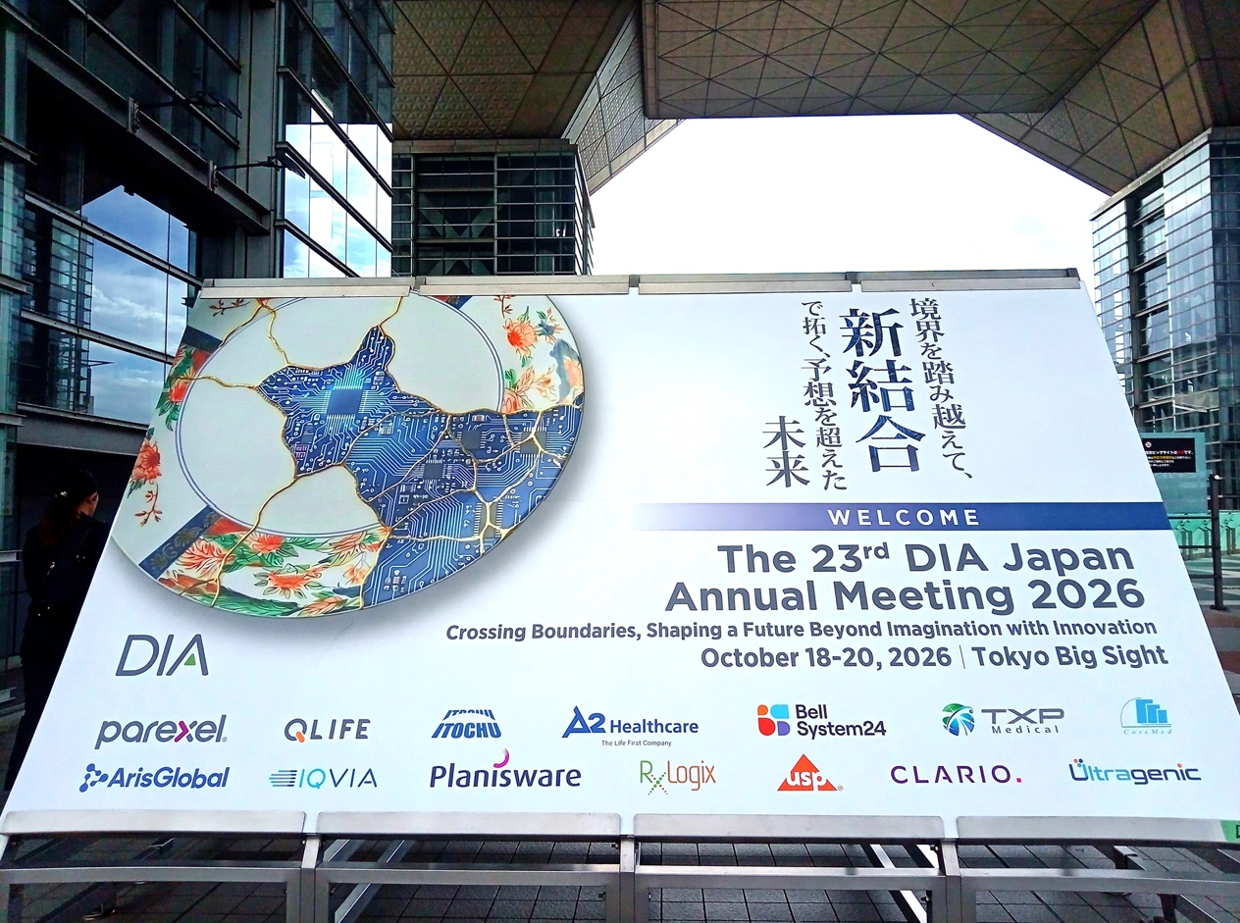
The 23rd DIA Japan Annual meeting adopted kintsugi — the Japanese art of repairing broken ceramics with lacquer and highlighting the cracks with gold or silver — as its visual motif. Rather than concealing damage, the technique incorporates it into the object’s beauty. The symbolism reflected the meeting’s focus on integrating established expertise with new approaches to innovation, with the ultimate goal of improving patients’ lives.
Photography: Donglei Mao
Asian Regulators Look Beyond Borders
Japan’s push to attract overseas drug developers is part of a broader effort to strengthen regulatory and clinical research cooperation across Asia.
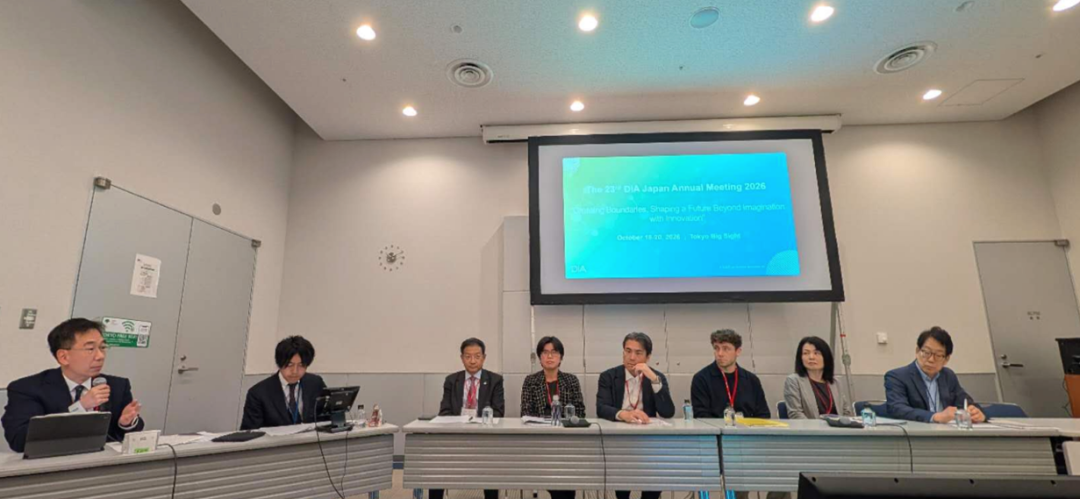
Asia Track during DIA Japan Annual Meeting
Photography: Tetsuomi Takano
At the meeting’s Asia Track, representatives from the European Medicines Agency (EMA), National Cancer Center Japan, Sungkyunkwan University in South Korea and other institutions discussed regulatory science, multinational clinical trial networks and the use of real-world data (RWD). Dr. Su Ling, a DIA Fellow, venture partner at Lilly Asia Ventures and strategic adviser to the chief research officer of Sanofi China R&D Center, joined PMDA representative Ayumi Endo and other participants in the discussions.
EMA representative Hodei Cuenca Grao presented the agency’s OPEN framework, which allows regulators outside the European Union to participate in certain EMA assessment procedures while preserving the independence of each authority’s scientific and regulatory decisions.
Participating regulators can contribute to assessments of initial marketing authorization applications and exchange scientific views. Partners include PMDA and South Korea’s Ministry of Food and Drug Safety (MFDS).
COVID-19 vaccines provided an example of the approach in practice. EMA and PMDA coordinated submission strategies through early bilateral discussions and ultimately reached highly consistent conclusions in their respective assessments and approvals.
Nakamura also highlighted the Asian clinical research network he has led for several years. Launched in 2020 with support from the Japan Agency for Medical Research and Development (AMED), the Asian Clinical Trials Network for Cancers (ATLAS) brings together 42 research institutions across 10 countries and regions. Its guiding principle is to build a cancer trial network “of Asia, by Asia, for Asia.”
ATLAS focuses on investigator-initiated trials (IITs) designed to support registration, with participating countries taking turns chairing the network.
One example is PATHWAY, a randomized, double-blind, placebo-controlled Phase III trial in patients with hormone receptor-positive, HER2-negative advanced breast cancer. National Cancer Center Hospital served as the regulatory sponsor, and the study involved sites in Japan, South Korea, Taiwan and Singapore.
The trial significantly prolonged progression-free survival, its primary endpoint, and supported approval of an expanded indication in Japan in January 2024. ATLAS has enrolled more than 2,900 patients and established disease-specific working groups across multiple tumor types.
Real-world evidence offers another avenue for regional cooperation. Dr. Judy (Ju-Young) Shin of Sungkyunkwan University introduced the DIANA project, which focuses on RWD collaboration among China, Japan, South Korea and Singapore.
In a cardiovascular safety comparison of potassium-competitive acid blockers and proton pump inhibitors, researchers applied a harmonized protocol across databases in China, Japan and South Korea. Preliminary findings showed no significant difference in the risk of major adverse cardiovascular events between the two groups, with consistent conclusions across the participating countries.
But closer scientific cooperation does not mean Asia is on the verge of adopting a single regulatory system.
Asked by PharmaDJ about the willingness of Hong Kong’s Centre for Medical Products Regulation (CMPR) and Southeast Asian regulators to collaborate, Uyama said Asia still lacks a multilateral regulatory framework. ASEAN’s joint review and mutual recognition initiatives are important, but emerging regulatory authorities first need to strengthen their own review capabilities.
He suggested starting with regulatory areas that carry relatively low risk and offer clear common benefits, allowing authorities to build trust through practical cooperation.
Regulatory collaboration, he argued, should be driven by disease and patient needs rather than by attempts to impose uniformity across different systems. Sustained dialogue and concrete regulatory submissions would be essential to building experience.
“Going forward, Asian regulatory collaboration should focus on regulatory capacity building, regulatory acceptance of high-quality clinical research data, and cross-border integration and coordination of real-world data,” he said.
PMDA Looks to AI, Project Orbis and Risk-Based Oversight
At the PMDA Town Hall, officials outlined reforms aimed at making Japan more accessible to global drug developers while maintaining regulatory standards. The panel included Daisuke Koga from international affairs, Hiroaki Kiyohara from new drug review, Mio Takahashi from reliability assurance, Takeshi Yamamoto from safety information and planning management, and Ryosuke Maruyama from regenerative medicine product review.

PMDA Town Hall
Photography:Donglei Mao
AI is one area under active consideration. PMDA is evaluating how the technology could support its review process, particularly when dealing with large volumes of preliminary data and sponsor submissions.
The central questions are where AI can be used appropriately and how responsibility should be allocated when the technology is involved. Materials relating to critical areas, including adverse reactions and information disclosure for patients, must still be submitted in Japanese. AI can assist with translation and drafting, but sponsors remain responsible for the accuracy of the final text.
PMDA also encouraged companies to engage with the agency early in development rather than wait until submission to address regulatory questions.
Regenerative medicine is another area in which Japan sees an opportunity to attract overseas innovation. PMDA officials described the country’s established review experience in cell and gene therapies, alongside its efforts to help overseas small and midsize companies understand the Japanese regulatory framework.
Through a dedicated cell and gene therapy discussion group, international conferences and free consultations, PMDA is engaging with developers whose interest in Japan is growing. The agency also encouraged companies with successful development experience to share case studies, emphasizing that Japan should maintain its position in regenerative medicine, an area of traditional strength.
On international collaborative review, PMDA confirmed that it participates in the U.S. FDA’s Project Orbis, which enables participating regulators to collaborate on reviews of cancer therapies.
Japan had previously faced questions about whether local clinical data were sufficient and whether U.S. and Japanese submissions could be synchronized. Officials said accumulated experience in collaborative review and the development of early communication mechanisms had made participation more feasible.
For companies seeking simultaneous review, the ideal approach is to submit in Japan at the same time as in the U.S. and inform Japanese regulators of their plans as early as possible. Even when Project Orbis helps streamline the review process, sponsors must prepare Japanese-language materials for cancer patients before filing.
PMDA is also preparing to implement ICH E6(R3), the revised Good Clinical Practice guideline, which emphasizes quality by design and a risk-proportionate approach to clinical trial oversight.
The shift moves the focus beyond formal compliance toward protecting trial participants and ensuring data reliability through risk-based quality management. PMDA’s regulatory philosophy is evolving accordingly, with greater emphasis on dialogue and constructive engagement rather than inspection as a purely formal exercise. Companies are encouraged to challenge regulatory findings where appropriate and discuss scientific and operational concerns openly.
China’s Regulatory Reform and AI Push Take Center Stage
The China Town Hall examined changes in Chinese pharmaceutical R&D policy, regulatory reform and clinical innovation. The session was co-chaired by Dr. Su Ling and Dr. Hiroaki Saito, senior adviser at Daiichi Sankyo and a DIA Fellow.
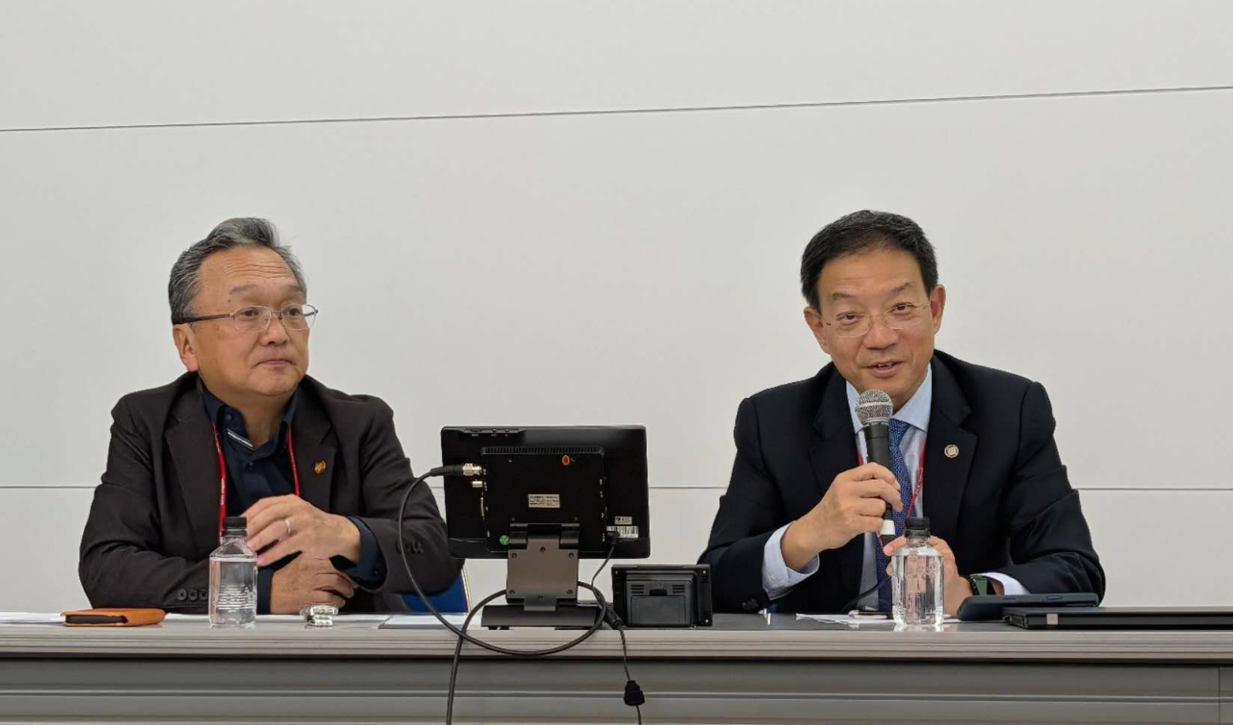
Dr. Su Ling and Dr. Hironobu Saito moderated the China Town Hall.
Photography:Tetsuomi Takano
According to Yan Xiaojun, a DIA China strategic adviser and former global chief regulatory officer of BeiGene, China has become the world’s second-largest pharmaceutical market. The National Medical Products Administration (NMPA) approved 76 innovative drugs in 2025, including 11 first-in-class medicines with entirely new mechanisms of action, he said.
Yan highlighted the Center for Drug Evaluation’s Pioneer Program, which seeks to establish a collaboration mechanism among industry, academia and regulators to advance the technical development and scientific application of non-animal testing methods, including organoids and organ-on-a-chip technologies.
He also pointed to new clinical data protection rules that provide six years of protection for innovative drugs. On market access, China’s basic medical insurance system and commercial health insurance innovative drug catalog are designed to complement one another, while the dual-channel policy connects hospital access with retail pharmacies.
Sanofi’s Sarclisa (isatuximab injection) illustrates how regulatory approval and reimbursement policies can interact. The drug received approval for two indications in January 2025 and was included in the 2025 National Reimbursement Drug List, with the new catalog taking effect on Jan. 1, 2026.
Digital tools are also changing how clinical trials collect and assess patient data.
Lin Feng, founder and general manager of Shanghai JX Pharmaceutical and Xinhua Pharmaceutical, said China’s high smartphone penetration has not yet translated into equally widespread adoption of electronic patient-reported outcomes (ePRO). Global solutions can struggle with localization and response times when data are handled through overseas servers.
Locally deployed solutions can better accommodate China’s operating environment, support bring-your-own-device models and incorporate age-friendly design, Lin said.
He cited a COVID-19 drug study involving 1,200 patients in which ePRO was used to collect key endpoint data and shorten verification time. In a Parkinson’s disease study, video recordings combined with centralized assessment helped improve the objective measurement of motor symptoms.
He also highlighted the use of Hualiangwang and the AI agent Ray to strengthen the patient-reported outcome (PRO) and clinical outcome assessment (COA) ecosystem. Together, these technologies could help advance patient-focused drug development (PFDD).
AI could also compress clinical development timelines, according to Terry Hu of Blue Balloon Medical Research. Generative AI tools can reduce the time needed to draft clinical trial protocols, while statistical agents can support adaptive trial design and statistical power simulations.
Hu also described Phase Predict, a platform that uses Phase II data to predict the likelihood of Phase III success and help optimize eligibility criteria and site selection. Looking further ahead, he outlined a vision for a medical world model that uses sandbox simulations to reduce the cost of trial and error in drug development.
The discussion also turned to the international expansion of Chinese biotechs. Dr. Cai Xuejun, a senior industry expert, told Japanese attendees that Chinese companies have advantages in development speed and volume, while multinational pharmaceutical companies facing patent expirations have strong incentives to acquire earlier-stage assets through licensing deals.
On inspections and data quality, Cai said China’s implementation of Good Clinical Practice (GCP) had improved substantially and that clinical data generated in both China and Japan compared favorably with global standards.
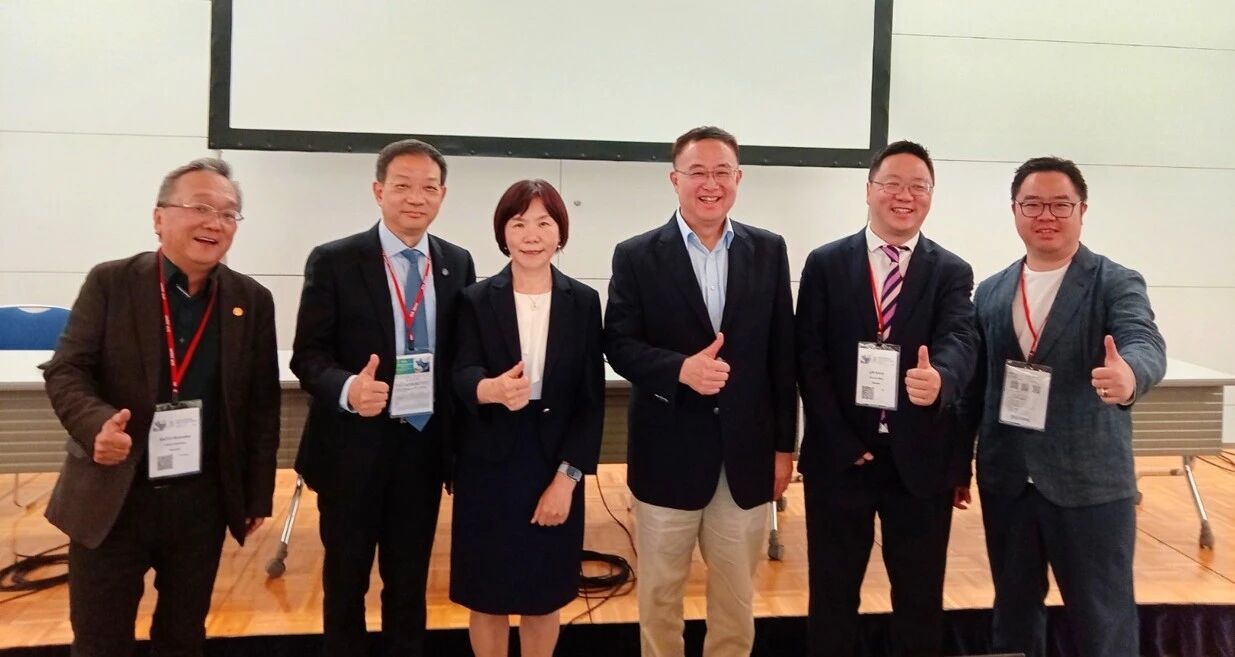
From left: Dr. Su Ling, Dr. Hironobu Saito, Mrs. Wendy Yan, Dr. James Cai, Mr. Kevin Lin, and Mr. Terry HuPhotography: Donglei Mao
Access to real-world data remains subject to regulatory requirements. Cai noted that domestic and foreign companies face the same rules governing data exports and typically obtain de-identified analytical reports through local vendors.
ENSEMBLExJ: A Different Route Into Japan
Japan is rolling out a new route into its pharmaceutical market for overseas drug developers. ENSEMBLExJ, a government-backed initiative led by the National Cancer Center Japan in coordination with the Pharmaceuticals and Medical Devices Agency (PMDA) and other national centers, offers free strategic consultations to global biotechs looking to develop their drugs in Japan.
For Chinese companies, the program could lower thebarriers to entering the market, from identifying clinical investigators and research institutions to understanding regulatory expectations and Japan’s drug pricing system. ENSEMBLExJ is scheduled for its official launch in November, with membership and consultations offered free of charge. Program details.
China’s regulatory reforms and growing use of artificial intelligence (AI) also featured prominently, reflecting the region’s increasingly interconnected drug development landscape.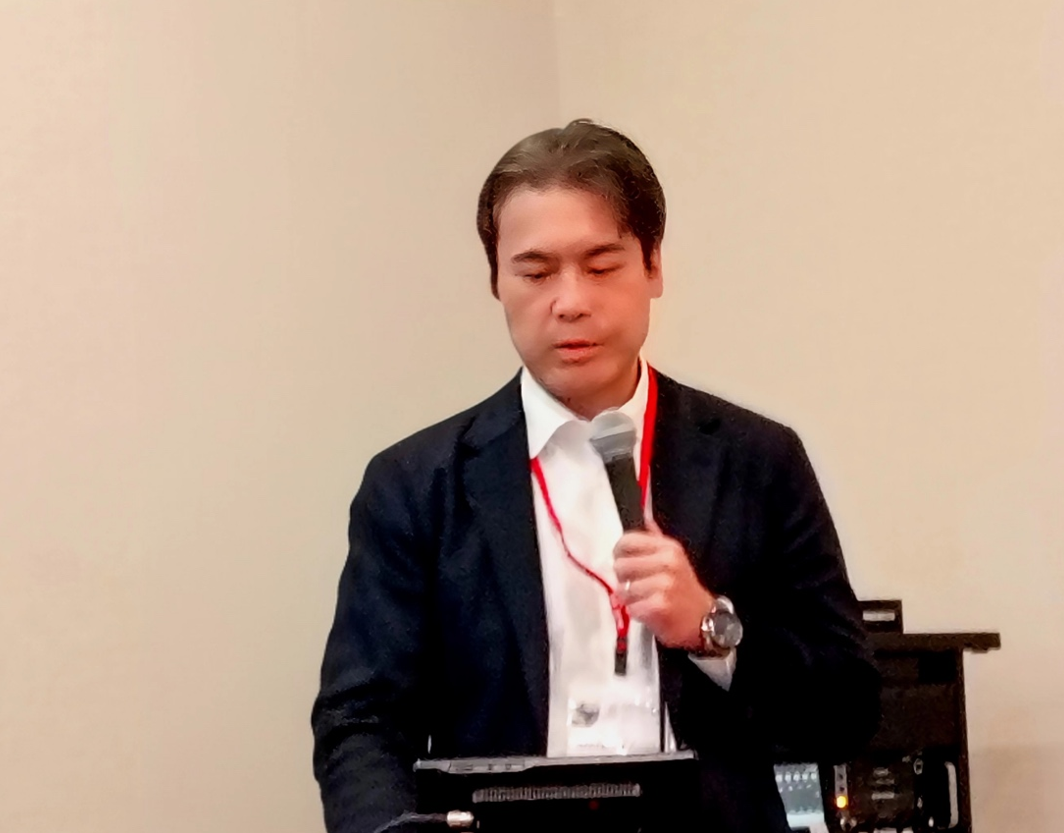
Professor Kenichi Nakamura
Photography:Dongely Mao
Professor Kenichi Nakamura, who leads ENSEMBLExJ and serves as director of the International Development Department at National Cancer Center Hospital, spoke with PharmaDJ about the initiative and its implications for overseas drug developers.
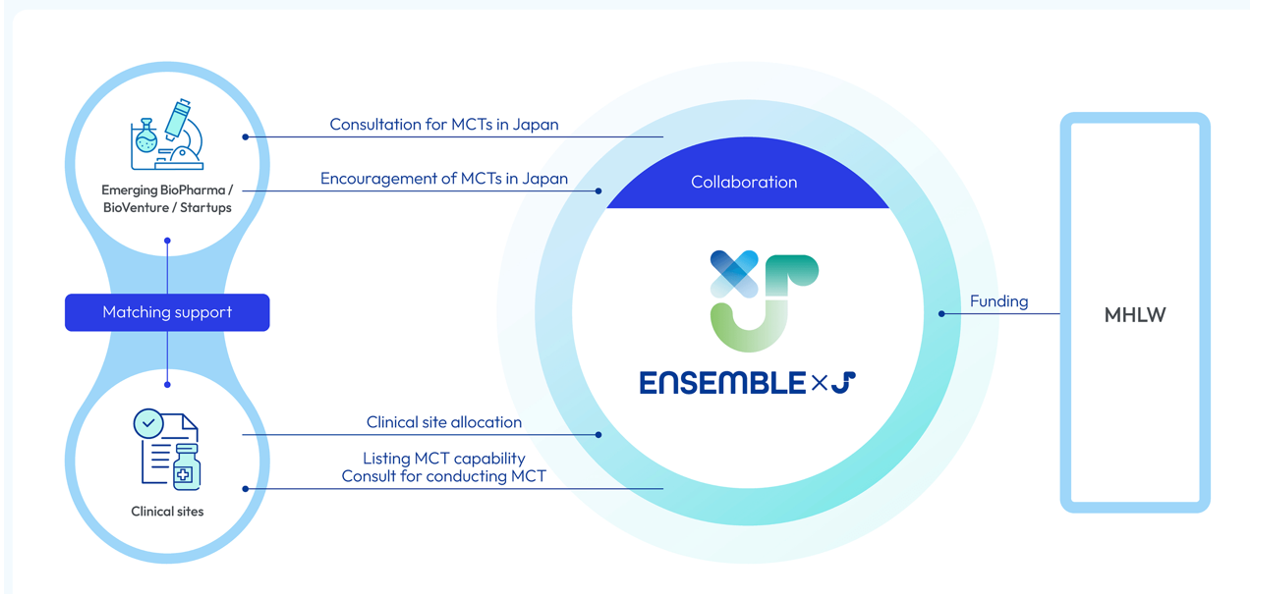
Launched in February 2026 with funding from Japan’s Ministry of Health, Labour and Welfare (MHLW), ENSEMBLExJ aims to accelerate access to innovative medicines and help address Japan’s longstanding problems of drug lag and drug loss. It targets global biopharma companies without a Japanese entity and provides guidance on clinical development, regulatory requirements and commercial considerations.
ENSEMBLExJ project
For overseas companies, Nakamura said, the biggest obstacle is often not a lack of promising drug candidates but insufficient understanding of Japan’s clinical landscape.
“They don’t know what Japanese doctors think, where the clinical need is, or how trials run here. That is exactly why we need to give them accurate information and coaching.”
ENSEMBLExJ connects companies directly with heads of relevant clinical departments at Japanese hospitals, including national centers, allowing developers to obtain feedback from specialists with experience in the disease areas they are targeting.
That early engagement can help companies assess whether a candidate addresses an unmet medical need or faces a crowded competitive landscape.
“Some indication areas are already red oceans, with adequate existing treatments and no need for me-too drugs,” Nakamura said.
For small and midsize biotechs operating with limited R&D budgets, identifying such challenges early could help prevent investment in programs with limited clinical differentiation or commercial potential.
Pricing and reimbursement are another part of the equation. ENSEMBLExJ helps overseas developers understand Japan’s drug pricing system, the potential for pricing premiums and whether anticipated commercial returns justify the cost of entering the market.
The program also helps companies identify suitable clinical sites, principal investigators (PIs) and patient populations across therapeutic areas, while connecting them with contract research organizations (CROs) to support trial execution.
“We can help companies choose the right hospital to run their trial. This matters especially for small biotechs without networks in Japan,” Nakamura said.
ENSEMBLExJ has received more than 40 consultation requests from small biotechs, with around 20 projects progressing. The program does not conduct clinical trials itself. Once a company decides to move forward, trial execution is handed over to a CRO.
That distinction is important for an initiative that might otherwise be seen as competing with commercial consultants and CROs by offering government-funded services for free.
Wen Yingshu, vice president of Japan and head of Tigermed’s Japan business, told PharmaDJ that ENSEMBLExJ could ultimately expand the market for CROs rather than displace them.
“Initially, a government program offering free consultations might look like it is taking business away from CROs,” Wen said. “But in the long run, ENSEMBLExJ lowers the barrier for overseas companies, especially Chinese biotechs, to explore Japan and should expand the number of companies considering clinical development there.”
Once companies move into trial execution, they will still need CROs to conduct their studies, potentially generating additional business for service providers, she said.
Tigermed Japan and its three Japanese subsidiaries have joined ENSEMBLExJ as members, with corporate membership also free. Some Chinese CROs participated in the program’s early development.
Nakamura agreed that the two sides have complementary roles: ENSEMBLExJ provides initial guidance and strategic consultation, while CROs take responsibility for clinical execution. The goal, he said, is to expand the market through a clear division of labor.
For Chinese biotechs, the initiative could offer an alternative to a development strategy centered primarily on out-licensing assets to multinational pharmaceutical companies.
During the meeting, several Chinese innovative drug developers told PharmaDJ that they had previously found Japan’s regulatory requirements and hospital-led clinical trial practices difficult to navigate. The government-backed program has prompted some to consider incorporating Japan more formally into their global development strategies, rather than relying solely on licensing deals.
Nakamura said the growth of Chinese drug development makes closer engagement increasingly important.
“The number of clinical trials and innovative drugs coming from China is growing substantially,” he said, adding that he wanted to strengthen communication with Chinese companies. “There are no obstacles in our cooperative relationship with Chinese companies.”
ENSEMBLExJ currently covers oncology, cardiovascular disease, neurology and infectious diseases. It also plans roadshows in Boston and San Francisco, with a China roadshow on the agenda.
Taken together, the discussions at DIA Japan pointed to a regional pharmaceutical landscape in which regulatory cooperation is expanding, but practical barriers remain. Japan is seeking to make its clinical and regulatory infrastructure more accessible to overseas innovators; China is advancing its own regulatory reforms and digital capabilities; and cross-border networks are creating new opportunities to generate evidence and develop therapies across Asian markets.