Hong Kong is moving ahead with a sweeping overhaul of its drug and medical device regulatory system. Speaking at the 11th China BioMed Innovation and Investment Conference(CBIIC)on Oct. 25 in Nanjing, Dr. Lot Chan, assistant director of Hong Kong’s Department of Health and a member of the CMPR Preparatory Office, outlined the latest progress, including leadership appointments, a phased transition to independent drug reviews, faster approval pathways and plans to introduce a dedicated medical device regulatory framework.
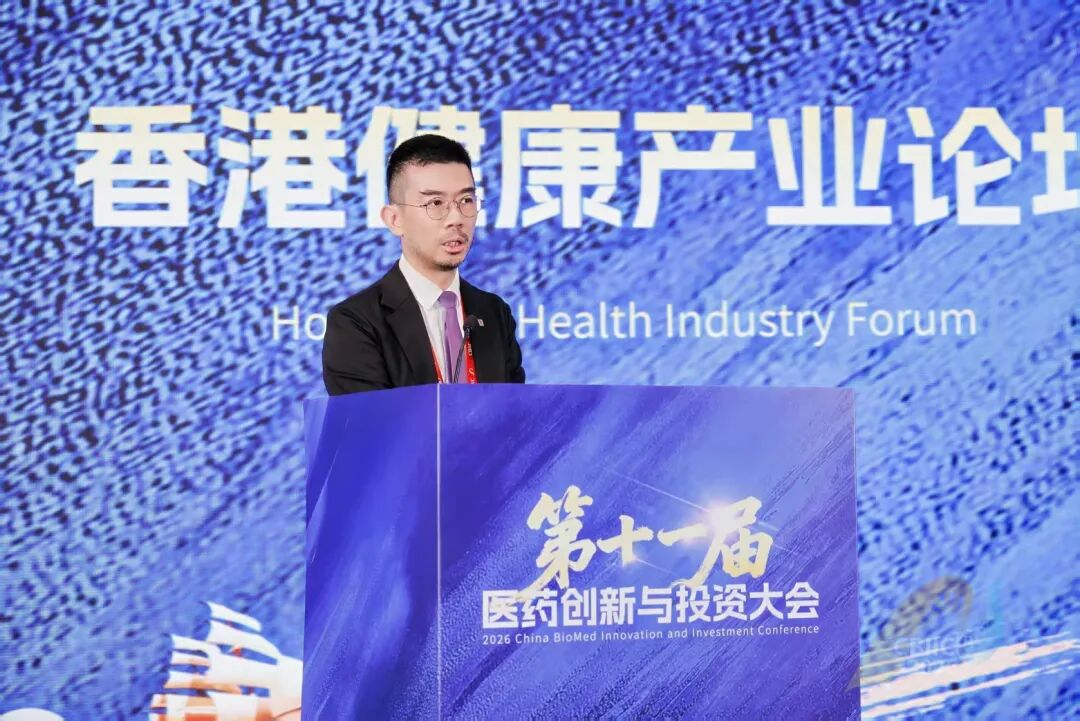
Dr. Lot Chan, assistant director of Hong Kong’s Department of Health
One of the most significant developments is the appointment of Dr. Li Zili as CMPR’s first Controller. Li, who brings extensive experience in international regulation and the pharmaceutical industry, has officially taken office.
Chan described the appointment as a major milestone in Hong Kong’s regulatory overhaul, saying it would provide the new center with strategic direction and help move the reform into full implementation.
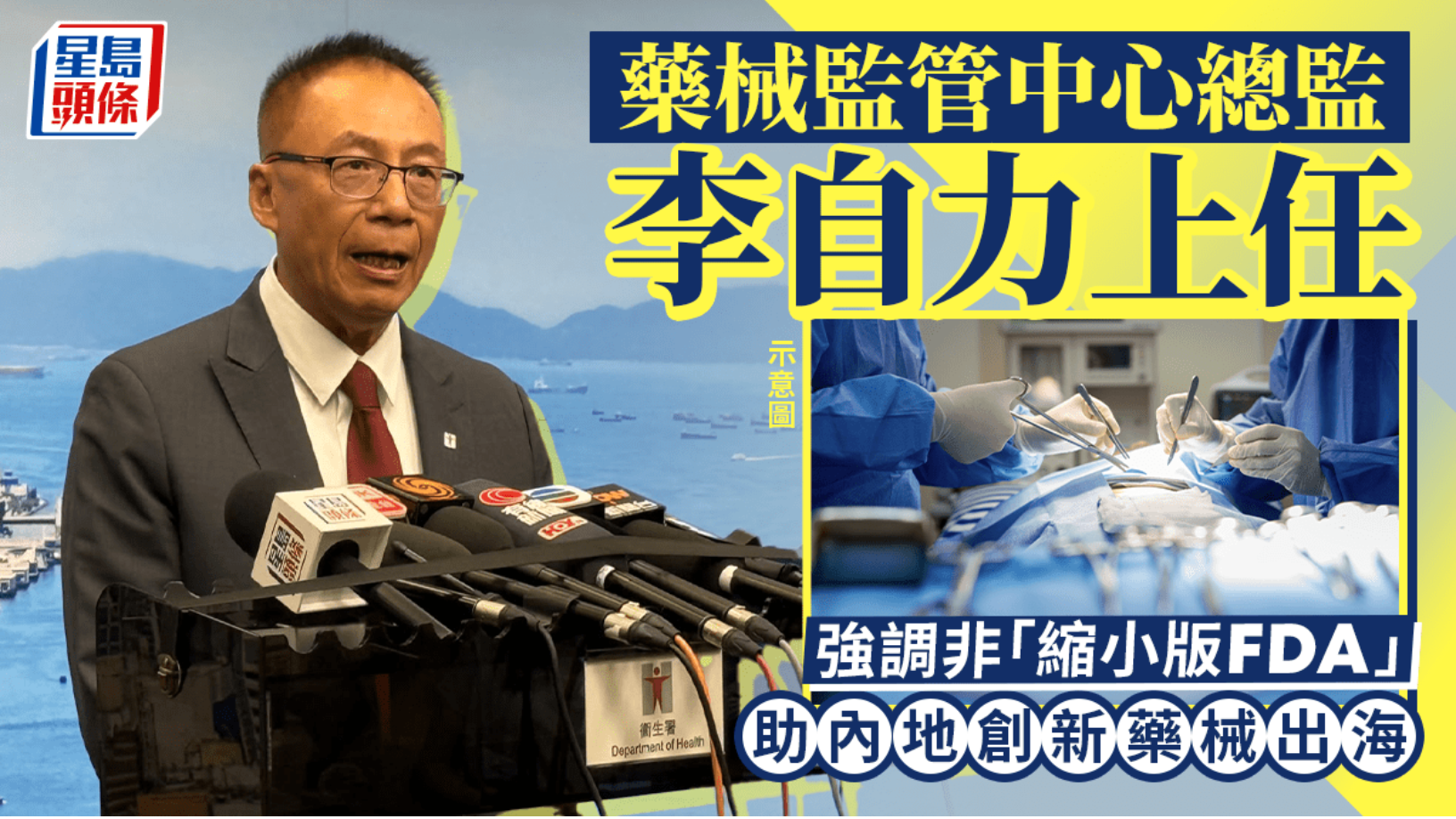
Dr. Li Zili, CMPR’s first Controller
In an interview with local media on Oct. 26 in HongKong, Li said CMPR would follow the same fundamental principles as drug regulators elsewhere: protecting public health while promoting medical innovation. According to Sing Tao Headline(星岛头条), he said CMPR would combine rigorous, science-based oversight with regulatory flexibility, particularly when reviewing treatments for rare diseases, with the aim of getting safe and effective medicines to patients more quickly.
Li also stressed that CMPR would not simply replicate an existing regulatory authority. Rather than becoming a smaller version of the FDA or another overseas regulator, CMPR would develop its own capabilities and strategic identity, while strengthen oversight of drug and medical device reviews and helping innovative products from mainland China reach global markets.
Li outlined three priorities for the new regulator: building comprehensive technical capabilities to support independent, evidence-based decisions; earning international confidence through the quality and credibility of its regulatory work; and establishing a distinctive strategic position within the global regulatory landscape.
However, building that capability will not happen overnight. Chan acknowledged that establishing an independent review system requires time, technical expertise and institutional infrastructure. Hong Kong will therefore adopt a phased approach, gradually expanding its review capabilities and reducing its dependence on decisions made by other regulatory authorities.
A phased transition to independent drug reviews
The reform comes as Hong Kong seeks to build on the momentum of its existing “1+” drug registration mechanism. Chan said 23 innovative products have been approved under the pathway, approximately half of them innovative medicines developed and manufactured in mainland China.
To encourage more companies to go to the Hong Kong market, the Department of Health has also introduced application guidance and an early consultation service. Regulators have been working directly with companies to explain local registration requirements and help sponsors navigate the application process.
In mid-2025, the Hospital Authority (HA) established an Innovative Drug Introduction Office to proactively engage pharmaceutical companies and invite innovative products to enter Hong Kong.
Under the “1+” mechanism, the Department of Health has reduced its review timeline from 150 working days to 100 working days, Chan said, creating a priority review pathway for eligible products.
The HA will also begin evaluating whether to include a medicine in its drug formulary while the Department of Health is reviewing its registration application. This parallel process is designed to eliminate delays between regulatory approval and formulary consideration, allowing newly approved medicines to be deployed across the HA system more quickly.
For companies looking to establish a foothold in Hong Kong, the approach could make the city more attractive not only as a regulatory jurisdiction but also as a potential early commercial market.
Hong Kong moves to close its medical device regulatory gap
Medical devices are another major focus of the reform.
Unlike jurisdictions with comprehensive statutory registration systems, Hong Kong currently lacks specific legal requirements for medical device registration. Its existing voluntary Medical Device Administrative Control System has operated for roughly two decades and has attracted more than 10,000 product registrations.
Chan said the government plans to introduce dedicated medical device legislation in the near future, bringing the city's regulatory framework closer to international standards and establishing a more consistent and efficient system of oversight.
The proposed legislation would address a longstanding gap in Hong Kong's regulatory framework as the city seeks to strengthen its position in the broader medical technology sector.
Partnerships with Singapore and Brazil could open doors to emerging markets
Hong Kong is also looking beyond its traditional regulatory relationships to build partnerships with authorities in emerging markets.
Chan said Hong Kong is pursuing international recognition while actively developing strategic regulatory partnerships. Following a memorandum of understanding with Singapore's Health Sciences Authority (HSA) last year, Hong Kong signed an agreement with Brazil's National Health Surveillance Agency (ANVISA) last month.
Chan described Brazil as an important regulatory leader in its region. Hong Kong hopes to use these partnerships to establish collaborative platforms with established regulators and create opportunities for innovative products approved in Hong Kong to enter markets across Southeast Asia and Latin America more efficiently.
The strategy could give Hong Kong a broader role in connecting China's pharmaceutical innovation with markets beyond mainland China, particularly in regions where regulatory cooperation can help reduce barriers to market entry.